
Insights on Zero Carbon Design
Description
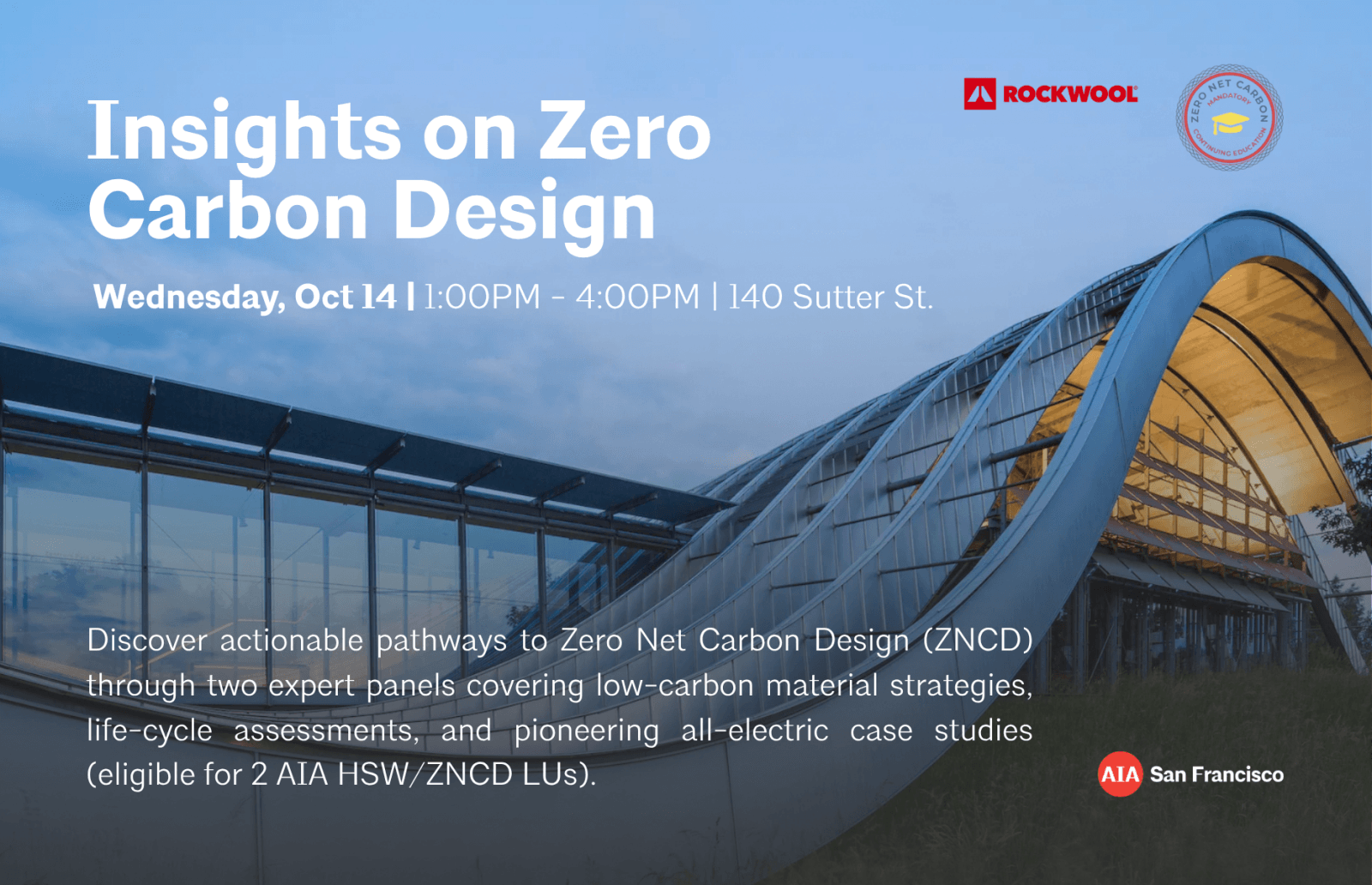
As the building industry moves toward more stringent zero-emissions goals, stakeholders across the AEC industry must master and implement Zero Net Carbon Design (ZNCD) throughout the building lifecycle. This afternoon session provides a comprehensive look at achieving carbon reductions and neutrality through both strategic planning and technical execution, featuring two panels of experts who will provide diverse perspectives.
The first panel brings together sustainability leaders from manufacturing, sustainability consulting and construction, who will discuss the intersection of design intent and project delivery. They will explore the intersection of material durability, recyclability, and whole-life embodied carbon reduction in high-performance building design. Through practical detailing strategies, life-cycle assessment (LCA) methodologies, and other industry tools the session offers a framework for balancing complex, competing material criteria without compromising carbon performance or assembly resilience.
The second panel features two architects and a regenerative design professional who will present recent leading-edge case studies. They will share practical insights from early-stage goal setting, community engagement, through all design phases to move-in. Case studies include an all-electric affordable housing project — on track for zero net energy — built with modular technology to speed delivery. Additional case studies include a county office building that integrates all-electric systems, on-site renewable energy, battery storage, and microgrid controls to support both sustainability and critical operations during, plus two recently completed K-12 schools that showcase a broad range of sustainable strategies.
Learning Objectives (2 LUS - AIA HSW and California ZNCD)
Hosted by ROCKWOOL and AIASF Knowledge Community - Committee on the Environment (COTE)
Planning Committee: Charlie Stott, AIA, LEED AP | Stott Architects + AIASF COTE Co-Chair, Pamela Sadler, CSI, CDT, LEED V5 GA | Rockwool | David Lehrer, NCARB | Center for the Built Environment
Agenda
1:00 PM: Introduction
1:05 PM: Integrating Design Intent and Sustainable Project Delivery
- Brett Stuckley Turner Construction
- Timon Bruulsema, RDH
- Pamela Sadler, Rockwool [moderator]
2:00 pm Short Break
2:15 PM: Showcase of Zero-Energy Case Studies from the Bay Area
- Nikita Jathan, PAE
- Katie Ackerly, AIA, David Baker Architects
- Helen Pierce, LPA Design Studio
- David Lehrer, Center for the Built Environment [moderator]
3:15 PM: Happy Hour + Networking
4:00 PM: Conclude
Speakers
Panel Presentation 1
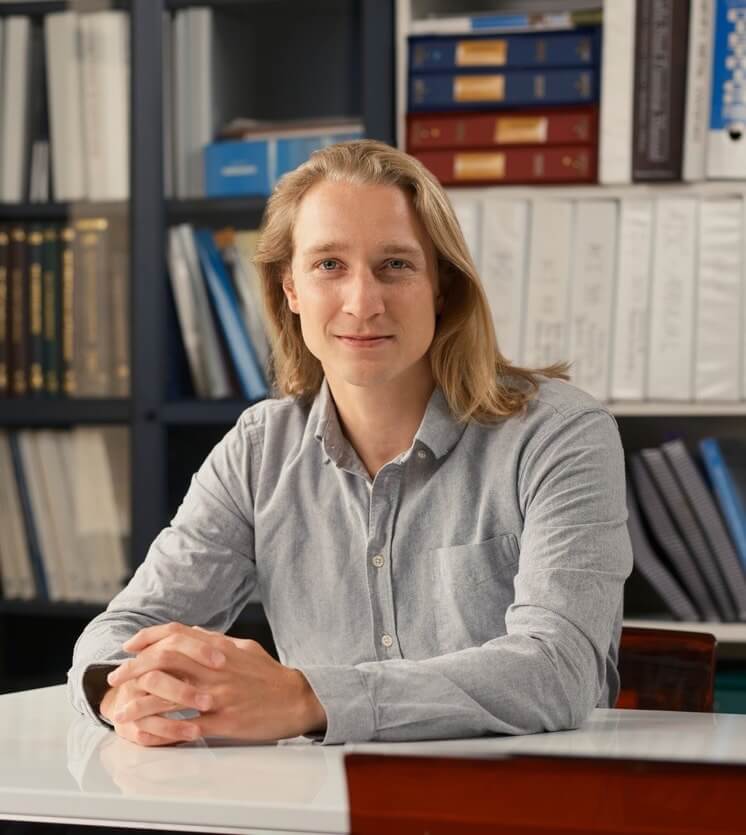
Timon Bruulsema | PE
RDH Building Science | Associate, Building Science and Energy Engineer
Timon is working to improve building energy and sustainability throughout the US and Canada. Timon’s experience with RDH includes building science, facades, mass timber, and energy & sustainability. This wide-ranging background forms the foundation of his holistic understanding of high-performance buildings. With a focus on integrated, whole-building systems, he excels at performing energy and condition assessments and leading new building designs to meet sustainability goals.
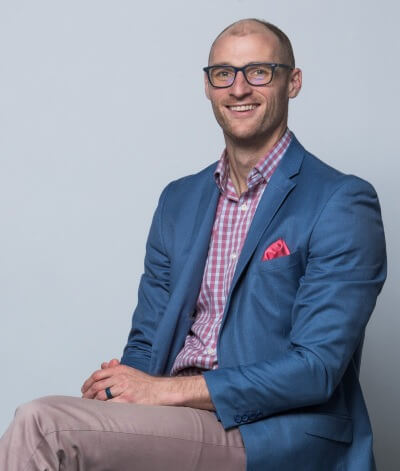
Brett Stuckey
Turner Construction | Regional Sustainability Manager
Brett joined Turner Construction in 2009, and has held roles in nearly every department, including Engineering and Project Management, Preconstruction, Superintending, Finance, and Business Development. The projects he’s touched have spanned several market segments, including aviation, commercial, higher education, sports, R&D/Lab, and light industrial. Since June 2024, Brett has served as the Sustainability Manager for the Northern California Region, working collaboratively with project teams to reduce carbon, water, and waste impacts in Turner’s operations and the structures we build.
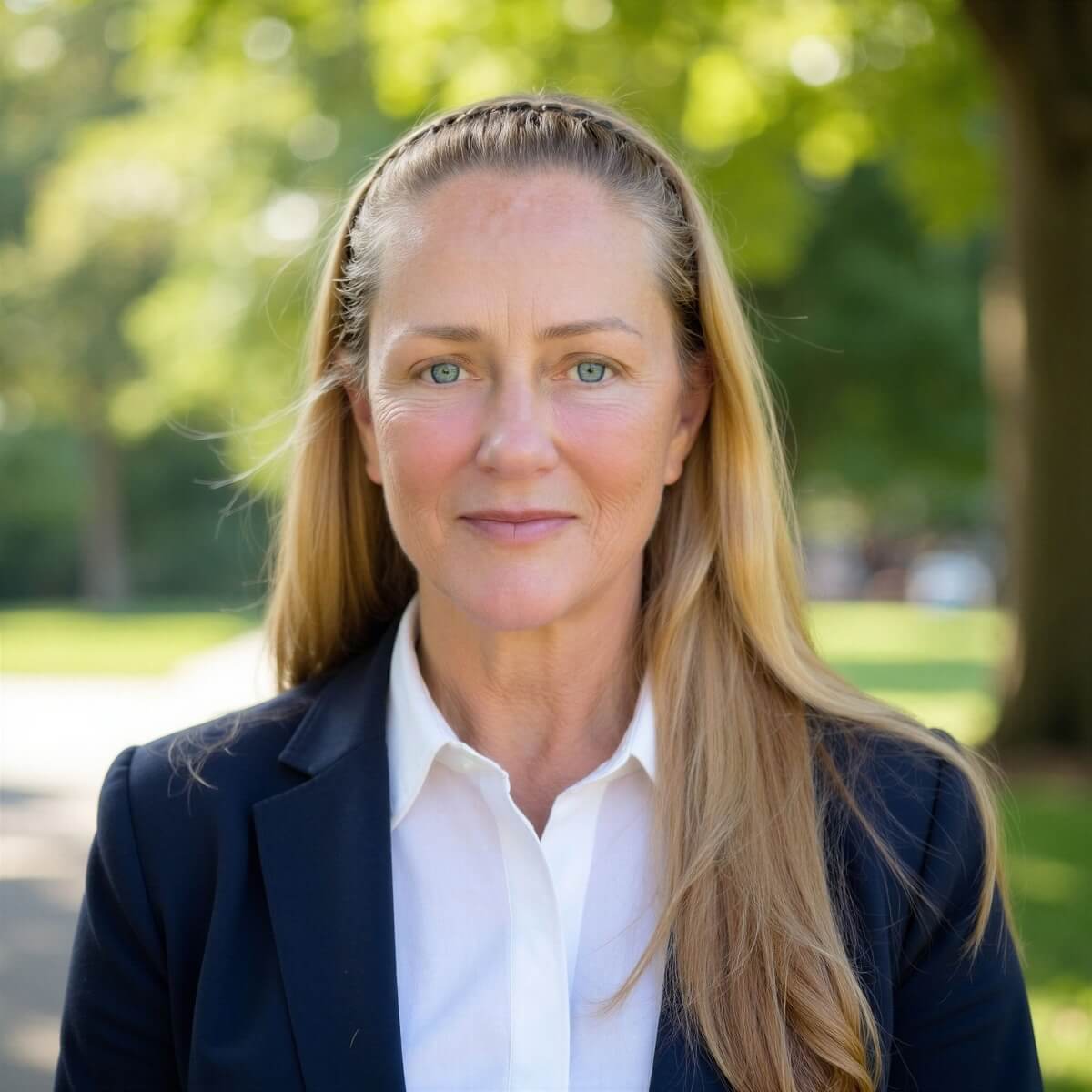
Pamela Sadler, CSI,CDT
ROCKWOOL | Architectural Manager for Northern California and Nevada
Pamela is a senior architectural representative partnering with architects, engineers, and owners to deliver energy-efficient, resilient, and durable building solutions. She is dedicated to consulting with the architectural community on technical systems application and code compliance for acoustics, fire, thermal, sustainability, retrofitting and moisture through building science.
Panel Presentation 2

Nikita Jathan, LEED AP BD+C
PAE Engineers | Regenerative Design Consultant
Nikita brings over a decade of experience along with a multidisciplinary background in environmental studies and architecture. She specializes in regenerative and sustainable design, carbon consulting, and green building certification, supporting project teams in delivering high-performance, future-focused solutions. With a holistic approach to sustainability, Nikita integrates master planning strategies across multiple scales to align project goals, stakeholder priorities, and long-term environmental impact. She is known for coordinating complex analyses, guiding teams through green building frameworks, and translating detailed technical insights into clear, actionable strategies that move projects forward.
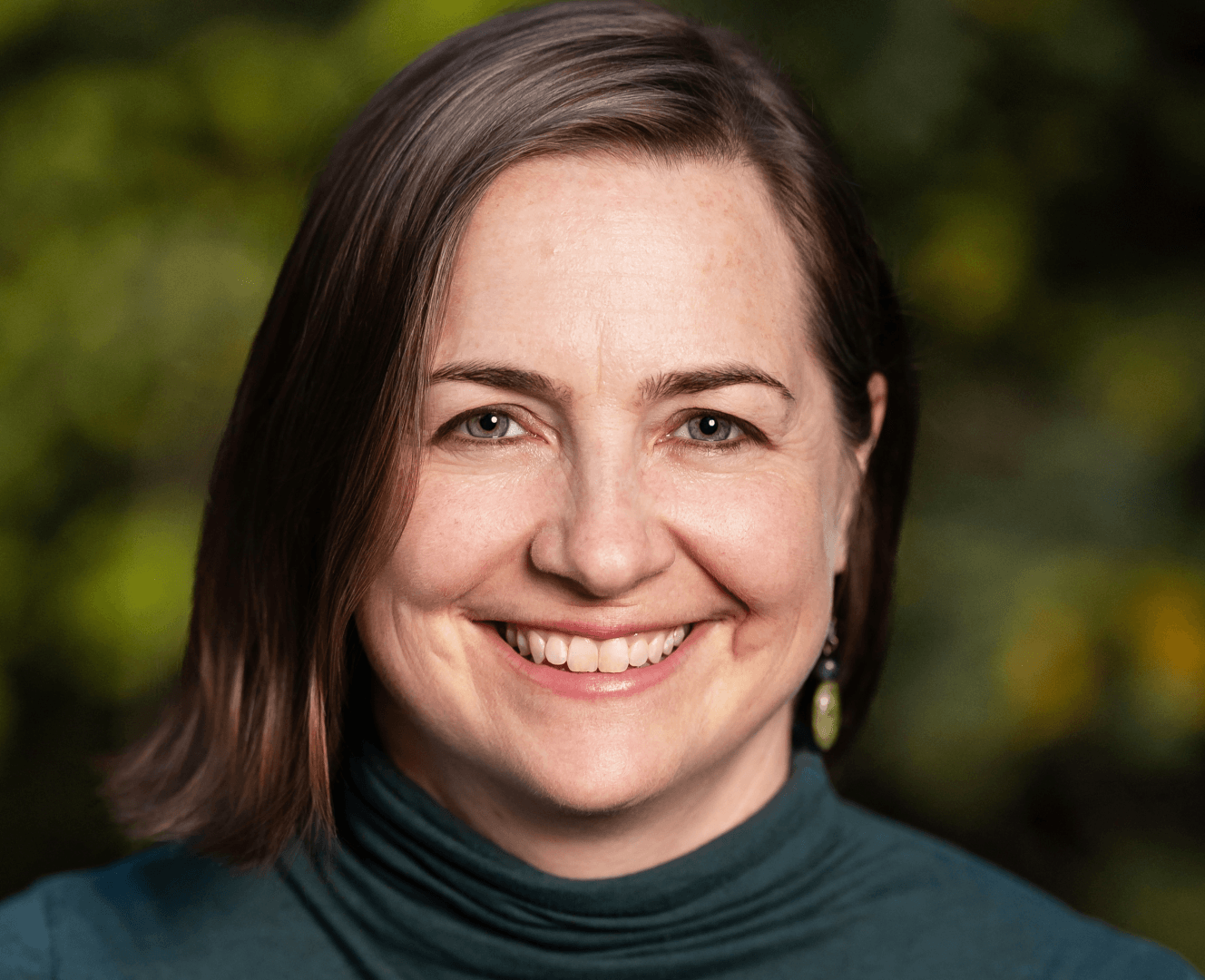
Katie Ackerly, AIA, Leed AP, CPHC
David Baker Architects | Principal / Sustainable Design Director
Katie Ackerly drives change by elevating the human experience in design for housing and communities. She leverages cross-disciplinary collaboration, research and practice to advance sustainable multifamily design, resilience and connection to place. Katie is also focused on aligning climate action and housing development by breaking down barriers between design practice and policy implementation. Her contributions have helped define DBA’s commitment to advancing human-centered sustainable design as part of its commitment to good design, livable density, and homes for all.
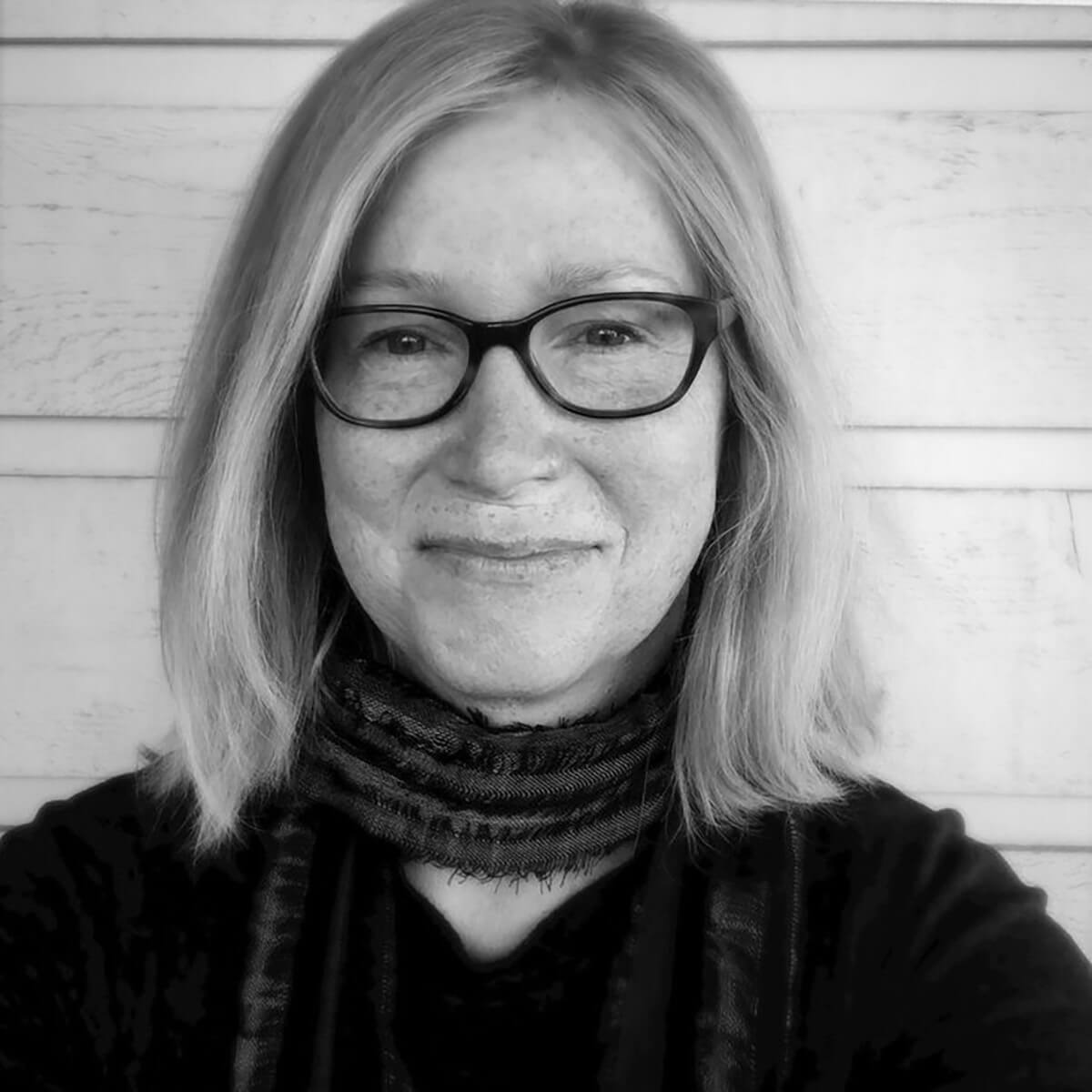
Helen Pierce, AIA
LPA Design Studio | Principal and Design Director
Helen Pierce is a principal and the design director of LPA’s San Jose studio. She has developed innovative design strategies for a wide range of project types across the U.S. for more than 30 years. Her projects have won over 40 AIA awards from local to national level. Since the start of her career, she has focused on integrated, sustainable solutions including off-grid, net-zero and LEED platinum projects. Helen believes in the power of design, informed by research and a deep understanding of people and place.
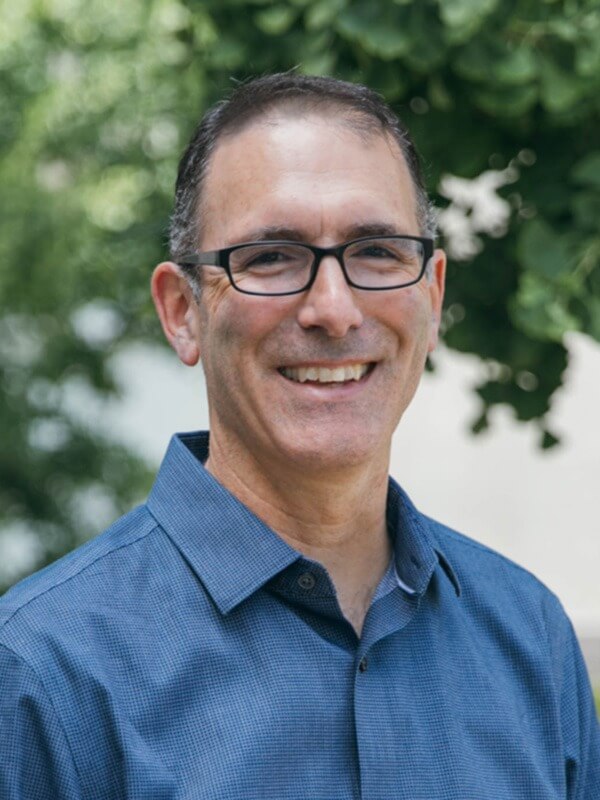
David Lehrer, LEED AP, RA
Center for the Built Environment UCB | Communications and Research Collaborations
David is interested in the nexus between human experience and sustainability. His background includes architecture and communications design, and he has occupied many roles in his work, including that of researcher, designer, manager, and educator. At the Center for the Built Environment (CBE) at UC Berkeley, David leads communications, facilitating industry/university collaborations, acting as the primary liaison between CBE’s research team and their industry partners, and providing strategy direction and oversight for their research portfolio.
Learning Objectives (2 LUS - AIA HSW and California ZNCD)
-
Explain the fundamental principles of zero net carbon design (ZNCD), including the core principles of energy efficiency, low-embodied carbon materials, and renewable energy.
-
Show familiarity with life cycle assessment (LCA) and strategies such as material durability and recyclability that help reduce the embodied carbon footprint of building materials and assemblies.
-
Explain key considerations for reducing carbon impacts for non-residential and multi-family residential buildings.
-
Describe successful ZNC buildings that have applied strategies such as all-electric systems, on-site renewable energy and/or battery storage.
Hosted by ROCKWOOL and AIASF Knowledge Community - Committee on the Environment (COTE).

Planning Committee: Charlie Stott, AIA, LEED AP | Stott Architects + AIASF COTE Co-Chair, Pamela Sadler, CSI CDT, LEED V5 GA Rockwool | David Lehrer, NCARB | Center for the Built Environment