
Mass Timber Symposium
Mass Timber in the Bay Area: From Forest to Occupancy
AIASF presents its inaugural Mass Timber Symposium, a half-day event showcasing the growing impact of mass timber design, construction, and production in California.
Two cross-disciplinary educational panels will cover both fundamental and advanced topics in design, construction, procurement, and sustainability, with Bay Area case studies. Technical topics will focus on new code provisions, testing, forestry, and project delivery. Registration includes a networking happy hour, as well as opportunities to connect with local suppliers and builders. Focused on advancing statewide expertise around these wood systems, the summit offers a concentrated forum for learning, collaboration, and progress toward scaling mass timber in California.
LU | HSW Pending, 2 ZNCD Credits Pending
Learning Objectives:
1. Identify mass timber design strategies that support structural performance, sustainability goals, and community-oriented outcomes through regional case studies.
2. Analyze how emerging research, destructive testing, and updated code provisions inform safe and effective mass timber building systems and project delivery
3. Evaluate environmental, economic, and logistical considerations of California’s mass timber supply chain, including forestry practices, procurement methods, and material sourcing.
4. Apply research-based design guidance and project lessons learned to future mass timber projects while addressing performance, constructability, and regulatory requirements.
| 1:00 PM -1:30 PM | Check-in |
| 1:30 PM - 1:45 PM | Program Welcome |
| 1:45 PM - 3:00 PM | PANEL I - Design + Sustainability |
| 3:00 PM - 3:30 PM | MASS TIMBER ROUND TABLE - The Future of California Fabrication, Production and Delivery |
| 3:30 PM - 3:45 PM | Break |
| 3:45 PM - 5:00 PM | PANEL II - Translating Research into Design |
| 5:00 PM - 6:30 PM | Happy hour and Networking |
Registration Options
|
Registration Options
|
Price |
|---|---|
|
Early Bird: General Admission
Registration Ended 1/21/26 at 12:00 AM PST
|
$85.00 |
|
Early Bird: AIA Member
Registration Ended 1/21/26 at 12:00 AM PST
|
$65.00 |
|
Early Bird: Student
Registration Ended 1/21/26 at 12:00 AM PST
|
$15.00 |
|
General Admission
|
$95.00 |
|
AIA Member
|
$75.00 |
|
Student
|
$25.00 |
|
Happy Hour Ticket
Happy Hour is from 5:00 PM - 6:30 PM |
$30.00 |
Program Welcome
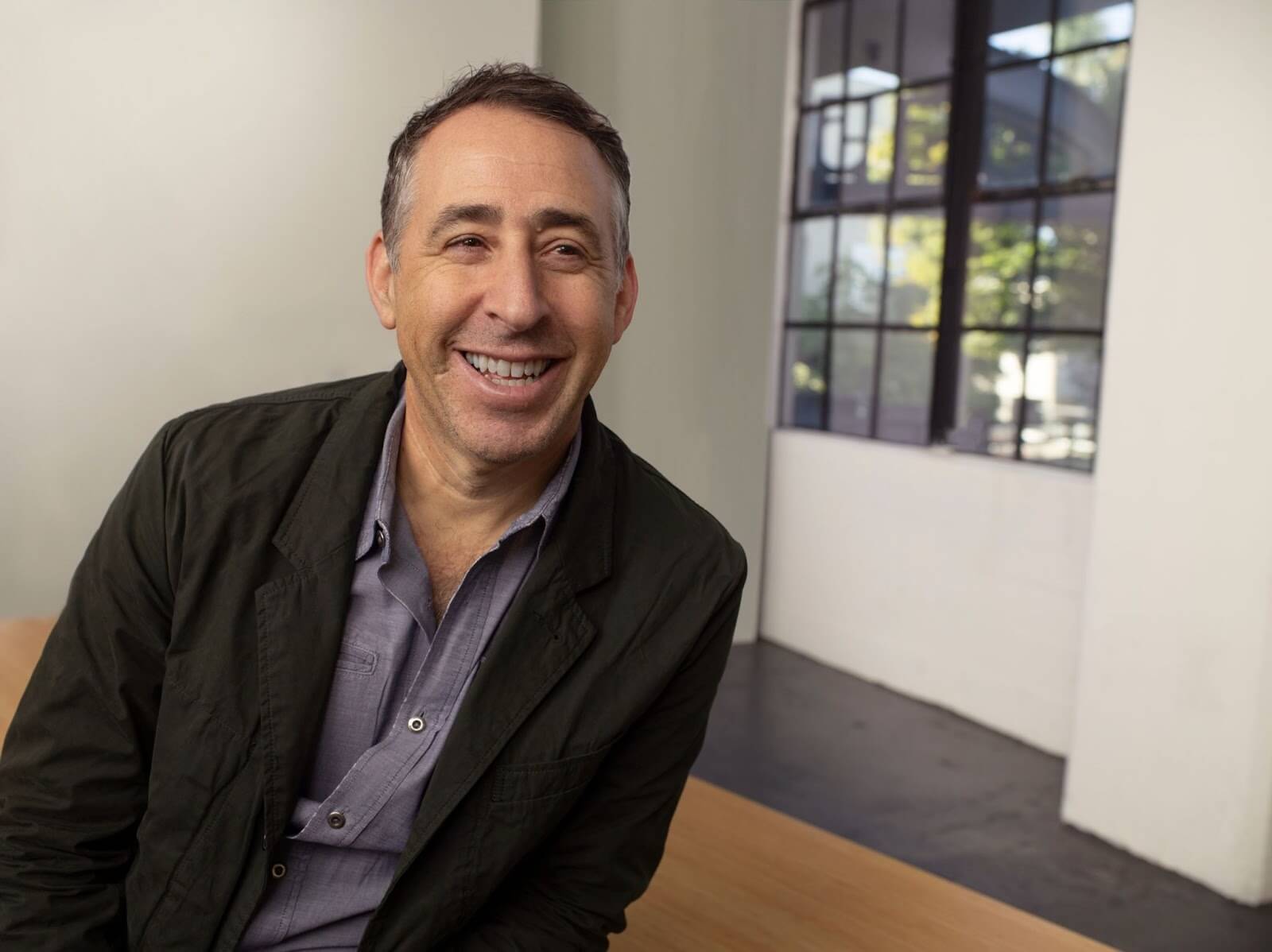
Gregg Novicoff, AIA, LEED AP, Leddy Maytum Stacy
Gregg Novicoff is a Principal with Leddy Maytum Stacy Architects, focusing on sustainable cultural, educational, and civic projects. Since joining the firm in 2005, he has led significant projects including the Ed Roberts Campus, an 85,000-square-foot center for disability rights in Berkeley, and the Edwin M. Lee Apartments in San Francisco, which pioneered combined housing for veterans and low-income families.
Currently working on UC Berkeley's People's Park Student Housing and the Sunnydale Community Center, Novicoff brings expertise in both new construction and adaptive reuse of historic structures. His other notable projects include Family House San Francisco, Sweetwater Spectrum Community, and 455 Fell Apartments.
A registered California architect, Novicoff holds degrees from UC Berkeley (BA in Architecture and English) and Harvard University (Master's in Architecture). He serves on the AIA San Francisco board as Vice President.
Panel 1 - DESIGN + SUSTAINABILITY
Moderator:
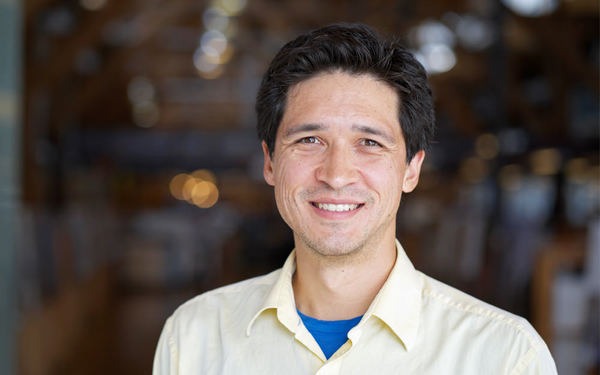
Joe Swain, AIA LEED AP BD+C
Joe is an Associate Principal and architect with Mithun, a multidisciplinary design practice with offices in Seattle, San Francisco, and Los Angeles. He specializes in modular and prefabricated systems and has worked with mass timber for over a decade, from schools and offices to large‑scale residential and industrial projects. He has worked on ICC Tall Wood code‑related research, including most recently a pair of CLT exterior‑wall fire tests, and leads Mithun’s working group on timber and forestry, which explores the relationship between carbon in timber and forest health and management.
Panelists:
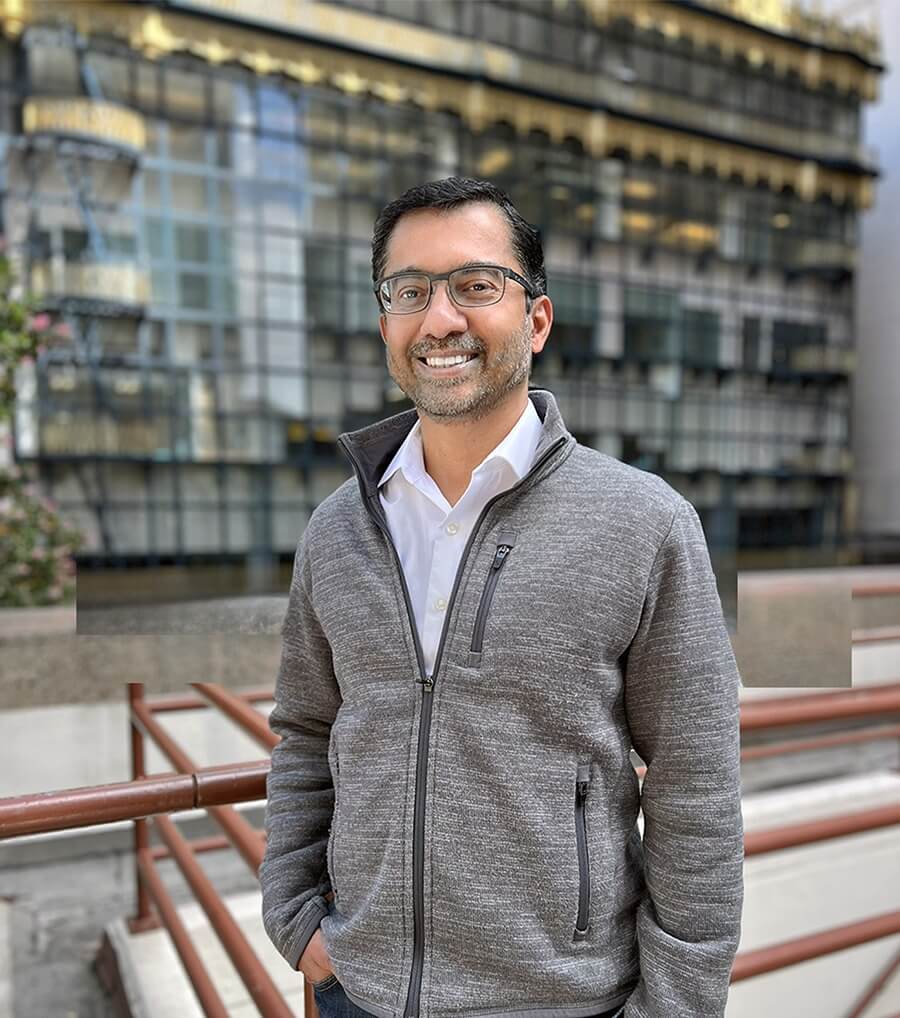
Pramod Sanoor, AIA, LEED AP BD+C, FitWel Amb, Associate Principal
Pramod is an Associate Principal at BAR Architects & Interiors committed to creating enduring, community-focused, and environmentally responsible architecture. With over 20 years of experience leading affordable, student, and market-rate housing, he believes thoughtful design can shape behavior, strengthen ecosystems, and foster social well-being. He champions innovation, environmental stewardship, and social equity, while advancing research and implementation of strategies to reduce operational and embodied carbon, including mass timber, prefabrication, and volumetric modular systems. Pramod is currently leading the design of UC Merced’s Promise Student Housing, a 485-bed mass timber Design-Build project under construction, along with other housing projects across California. A licensed architect and LEED
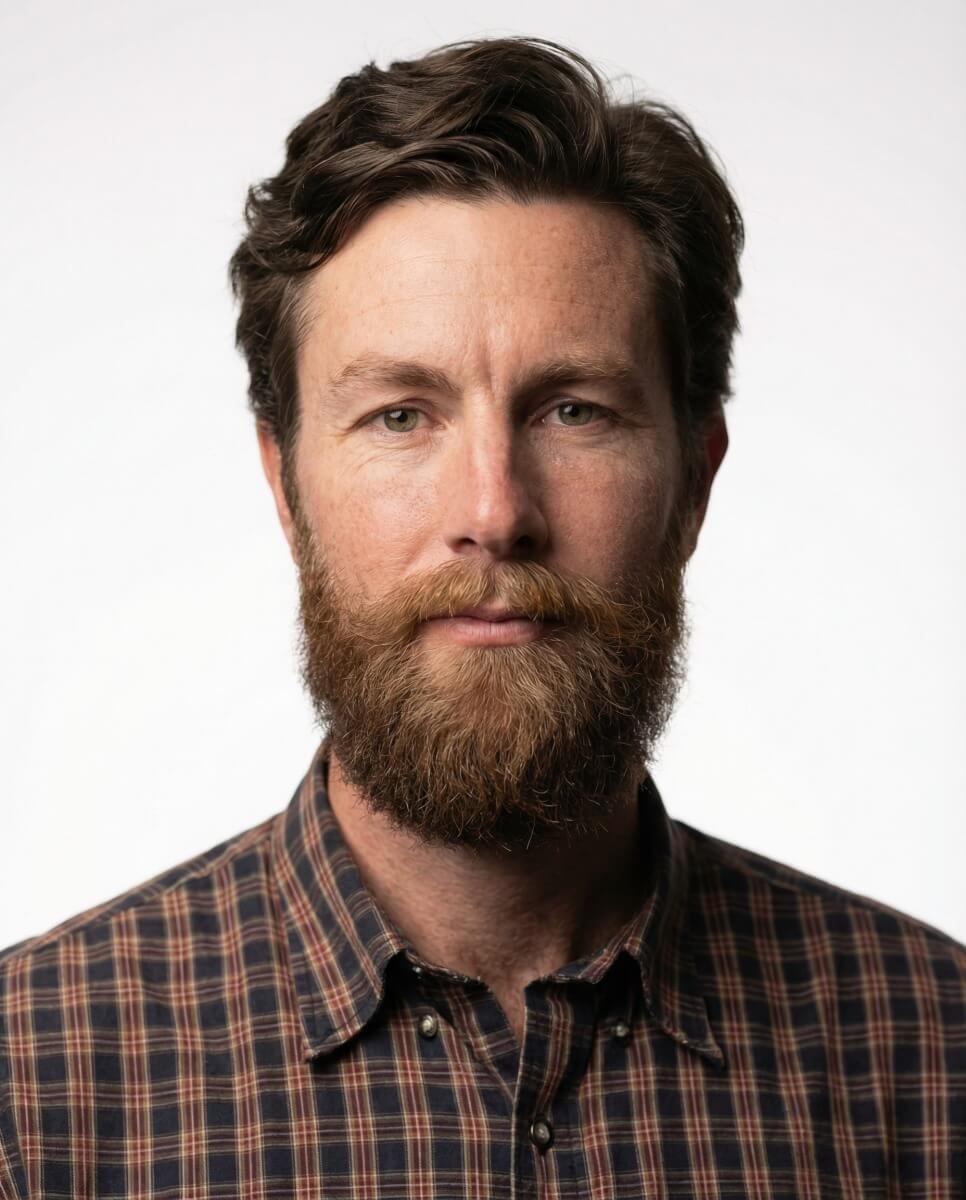
Clarke Stevenson, The Watershed Center
As the Wood Enterprise Lead, Clarke oversees projects on market-based solutions that support ecological restoration, sustainable forest management, and regional supply networks. His work focuses on business model innovation, technical feasibility analyses, and building cross-sector partnerships that invest in the full value chain of wood utilization. Before WRTC, Clarke worked for an air district and bioenergy attorney, supporting state policy and program development to overcome barriers to wood utilization. He is based out of Eureka, CA
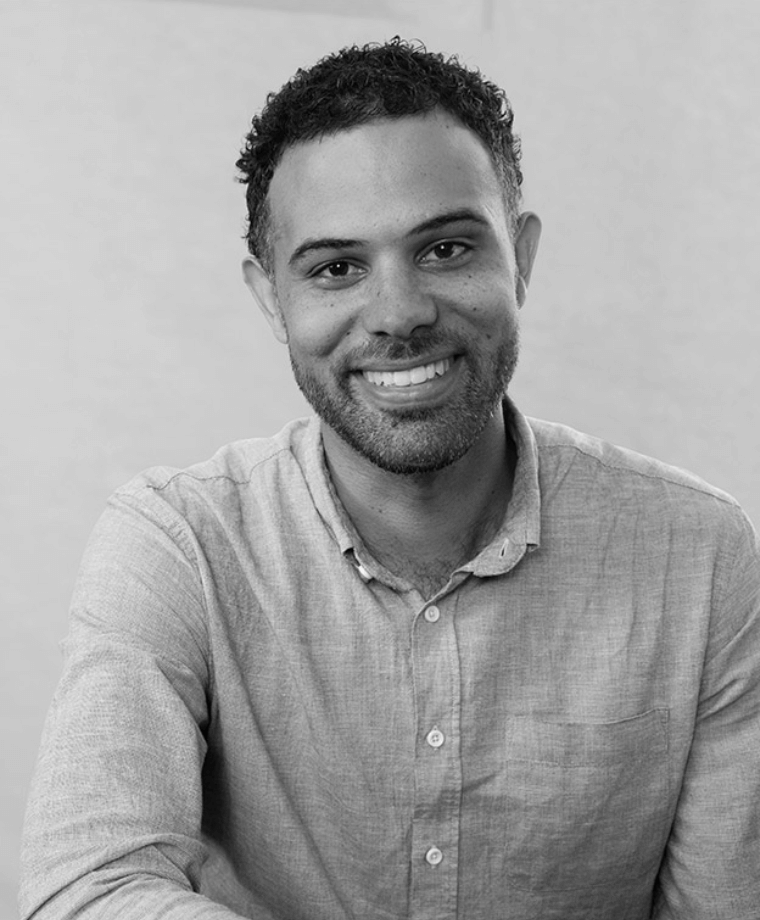
Ian Ashcraft-Williams, AIA, LEED AP, NOMA, Leddy Maytum Stacy Architects
Ian Ashcraft-Williams is an Associate at Leddy Maytum Stacy Architects. With a background in architecture and urban design, Ian is driven to create sustainable projects grounded in a community-centered approach. His work has ranged from learning environments to affordable and supportive housing. His recent project work includes the Nueva School Science and Environmental Center, recognized by AIA National’s Committee on the Environment (COTE) Top Ten Green Project. He is currently overseeing construction on the mass timber Sunnydale Community Center, the heart of the redeveloped Sunnydale HOPE SF neighborhood in San Francisco. Ian is a registered architect in California and an active member of the National Organization of Minority Architects (NOMA).
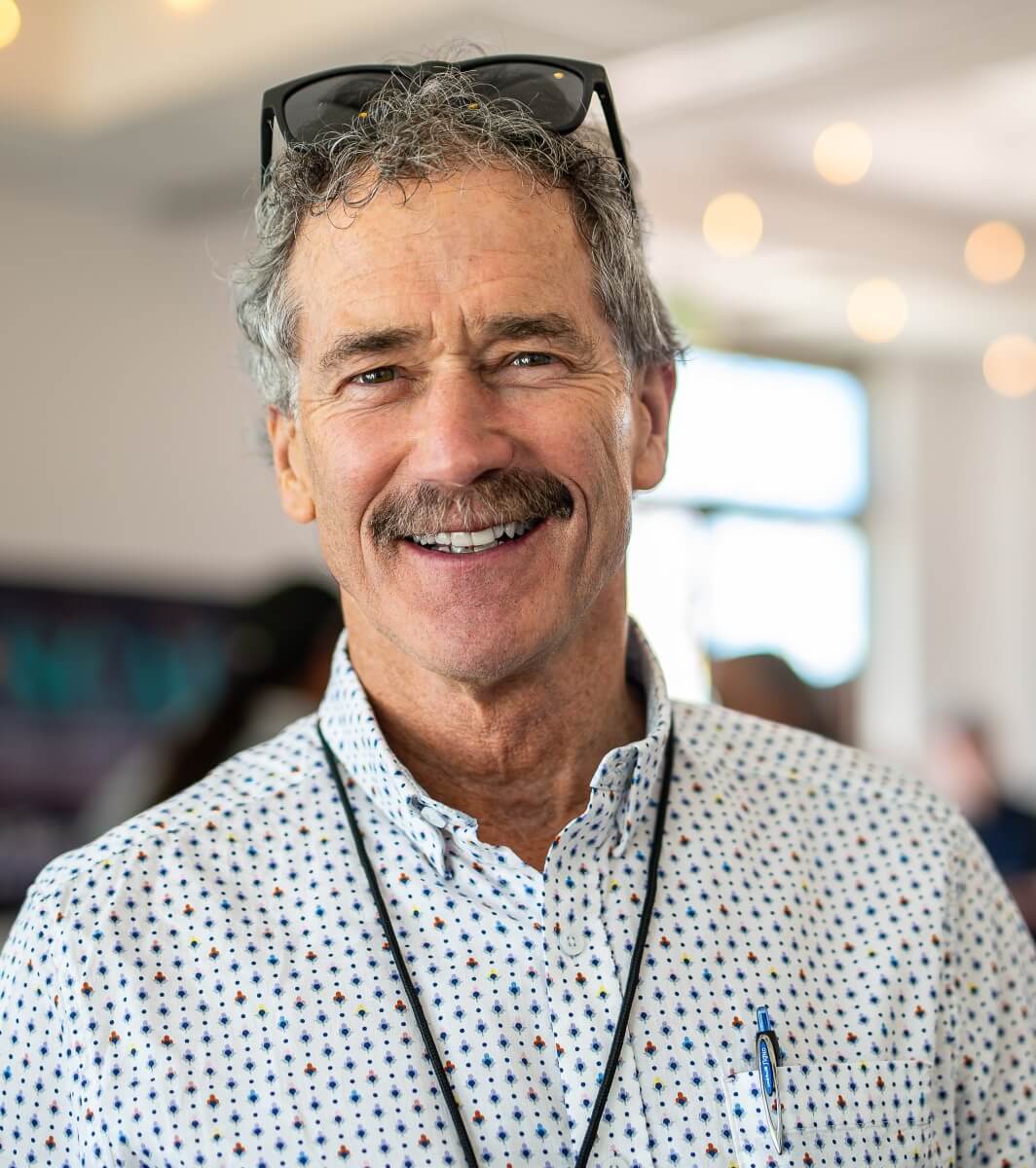
Jonathan Kusel, Ph D. Sierra Institute
Dr. Jonathan Kusel, who holds degrees from U.C. Berkeley and Yale, founded and directs the Sierra Institute for Community and Environment, which has been dedicated to improving socioeconomic conditions and natural resource management in rural communities since 1993. Dr. Kusel led a team of experts to rebuild homes and community structures following the devastating Dixie Fire, and is currently leading the launch of Mosaic Timber, California’s first CLT manufacturing facility.
Panel 2 - TRANSLATING RESEARCH INTO DESIGN
Moderator:
Zander Sivyer, SE, LEED AP, Managing Principal, Holmes US
Zander has led Holmes in the US since 2005 and oversees Holmes' offices on the West Coast and projects throughout the US.
Zander has led the structural engineering design for a number of Holmes’ major projects including new academic, commercial and institutional projects throughout the US. These include institutional buildings for the University of California, new commercial campus projects for Adobe, Intuit & Microsoft and major seismic retrofit projects including the Bay Area Metro Center, 140 New Montgomery and 100 McAllister for UC Law San Francisco.
Panelists:
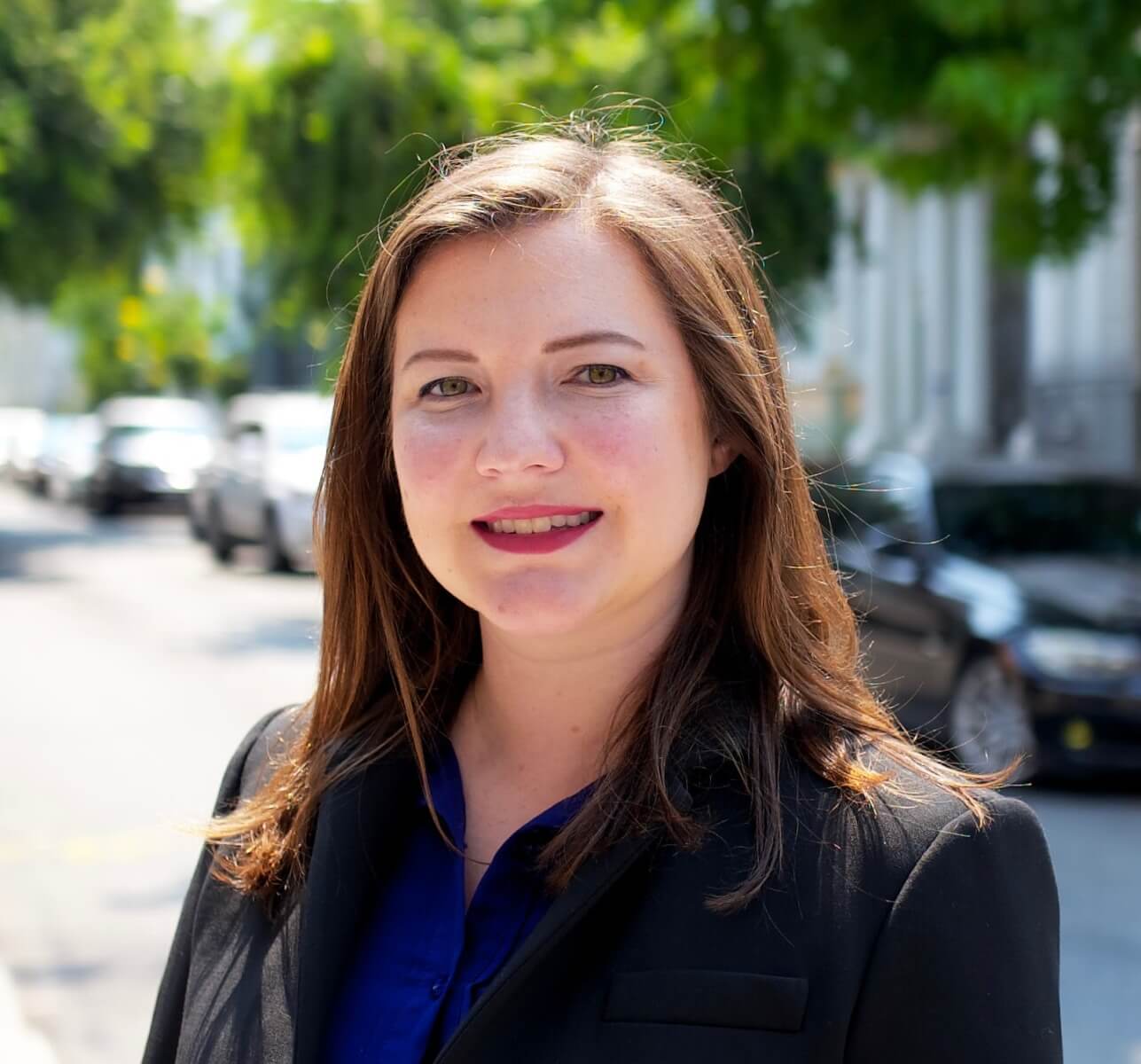
Chelsea Drenick, SE, Regional Director, WoodWorks
Chelsea is a licensed structural engineer in the state of California. She received her BS in Engineering from Harvey Mudd College and MS in Civil Engineering from Stanford University. As the Bay Area Regional Director for WoodWorks, a non-profit organization, she helps project teams achieve successful wood buildings. Prior to joining WoodWorks Chelsea spent nine years in structural design consulting. Her experience is in a variety of sectors including residential, higher education and retrofit of existing and historic structures. She is passionate about sustainability and the use of wood as a building material to reduce the embodied carbon emissions of structures.
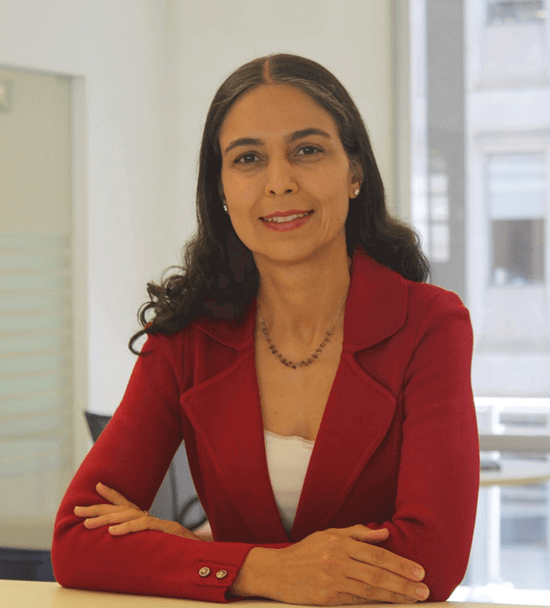
Masume Dana, SE, Principal, Forell Elsesser Engineers
Masume brings over 20 years of expertise in structural engineering for the built environment. Her experience spans all major construction materials and advanced seismic systems. Masume leads mass timber design at Forell Elsesser and is the Project Manager for UC Berkeley Undergraduate Academic Building, leveraging her knowledge of this sustainable material to create an efficient, high-performance structure. She has worked on multiple projects at UC Berkeley including Bakar BioEnginuity Hub the adaptive reuse of old Berkeley Art Museum to lab and office space, BAMPFA in downtown Berkeley, and Heathcock Hall the new expansion of the College of Chemistry.

Megan Stringer, SE, LEED AP BD + C, Associate Principal, Holmes
Megan is an Associate Principal at Holmes and serves as the US Structures Practice Lead. She also leads the firm’s sustainability efforts. Megan has a wealth of experience managing large design teams and has overseen significant projects, including the Microsoft & Intuit Campuses in Mountain View CA and the McCain Center at Arizona State University.
Deeply engaged in professional associations, Megan is the past President of SEAONC. While serving as chair of the SEI Sustainability Committee, she helped launch the SE 2050 Commitment Program. Megan also led the national professional engagement and equity survey in 2018 for the National Council of Structural Engineers Associations.
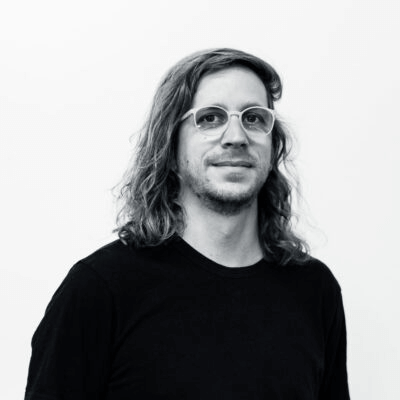
Paul Mayencourt, PhD, Assistant Professor at UC Berkeley
Paul Mayencourt is a researcher and educator focused on low-carbon design solutions for the built environment, bridging structural design, forestry, and materials science. His work explores innovative building systems that leverage advances in manufacturing and computational optimization, with current research centered on undervalued timber resources such as small-diameter timber and underutilized Californian hardwood species.
He is an Assistant Professor of Cooperative Extension in Engineered Wood Products and Design at the University of California, Berkeley, jointly appointed in the Department of Environmental Science, Policy, and Management and the Department of Architecture. He holds a PhD from MIT, an MSc from ETH Zurich, and a BSc from EPFL, and has taught structural design and mass timber construction at MIT, Stanford University, the University of Washington, and UC Berkeley.
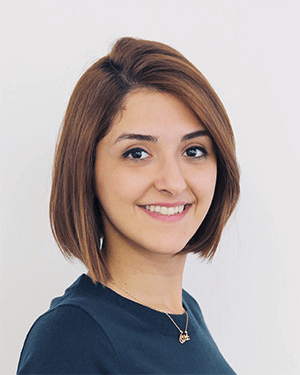
Parisa Nassiri, PE, Senior Fire Engineer, Holmes
With a focus on holistic building design, Parisa utilizes performance-based engineering to find optimal solutions for her clients. By leveraging Structural Fire Engineering, Parisa guides project teams and works with Authorities Having Jurisdiction (AHJs) to calculate the expected performance of structural systems in fire. Her findings often yield construction cost, carbon, schedule, and labor savings; expression of architectural intent; and alternative egress solutions. Parisa has a proven track record of developing effective strategies with the design team to meet project objectives. She is well-versed in code consulting methods and is dedicated to providing the most cost- and time-efficient solutions for her projects.
Moderator:
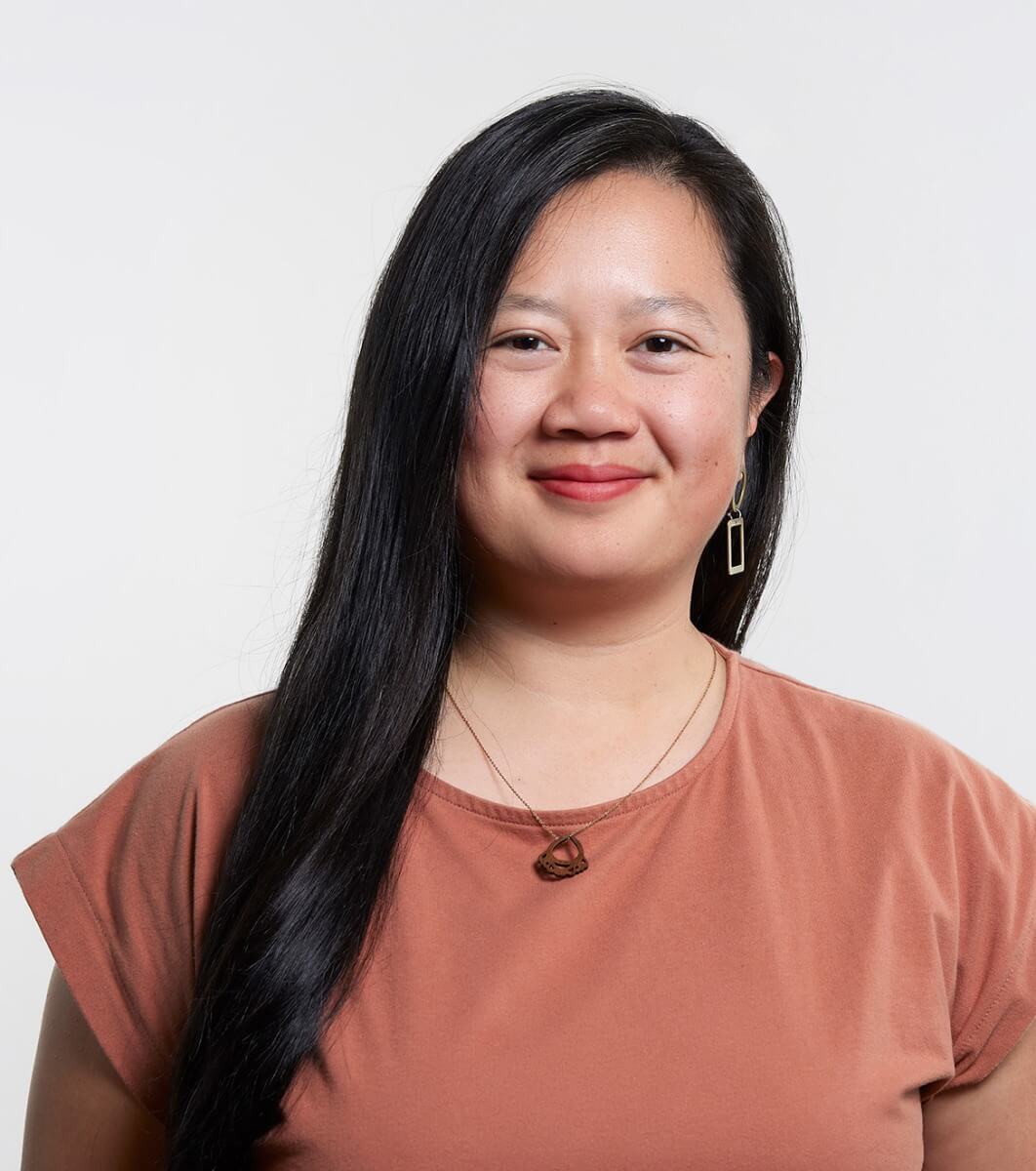
Joy Wei, SE, Associate, Tipping
As a Project Director and Associate, Joy is a member of Tipping’s Team Carbon that is responsible for advancing the firm’s commitment and path to substantive reduction in embodied carbon structural systems, including mass timber construction. As part of the Education Committee, Joy strives to broaden and deepen the firm’s understanding of responsible sustainability practices, seeking to embed these values in the firm’s people and work.
Guided by a desire to work on structures with permanence, Joy developed a deep appreciation for sustainability and constructability through hands-on work as a construction crew leader with Habitat for Humanity East Bay and as a volunteer with Engineers Without Borders. This field experience shapes her practical, responsive design approach, particularly in delivering coordinated, sustainable and buildable solutions. Joy’s project experience spans multi-unit residential, architecturally intensive academic buildings, mixed-use high-rises, adaptive reuse and retrofits, and comprehensive tenant improvement projects.
Joy holds an MEng in Structural Engineering from UC Berkeley and a BS in Civil Engineering from the University of Michigan.
Speakers:
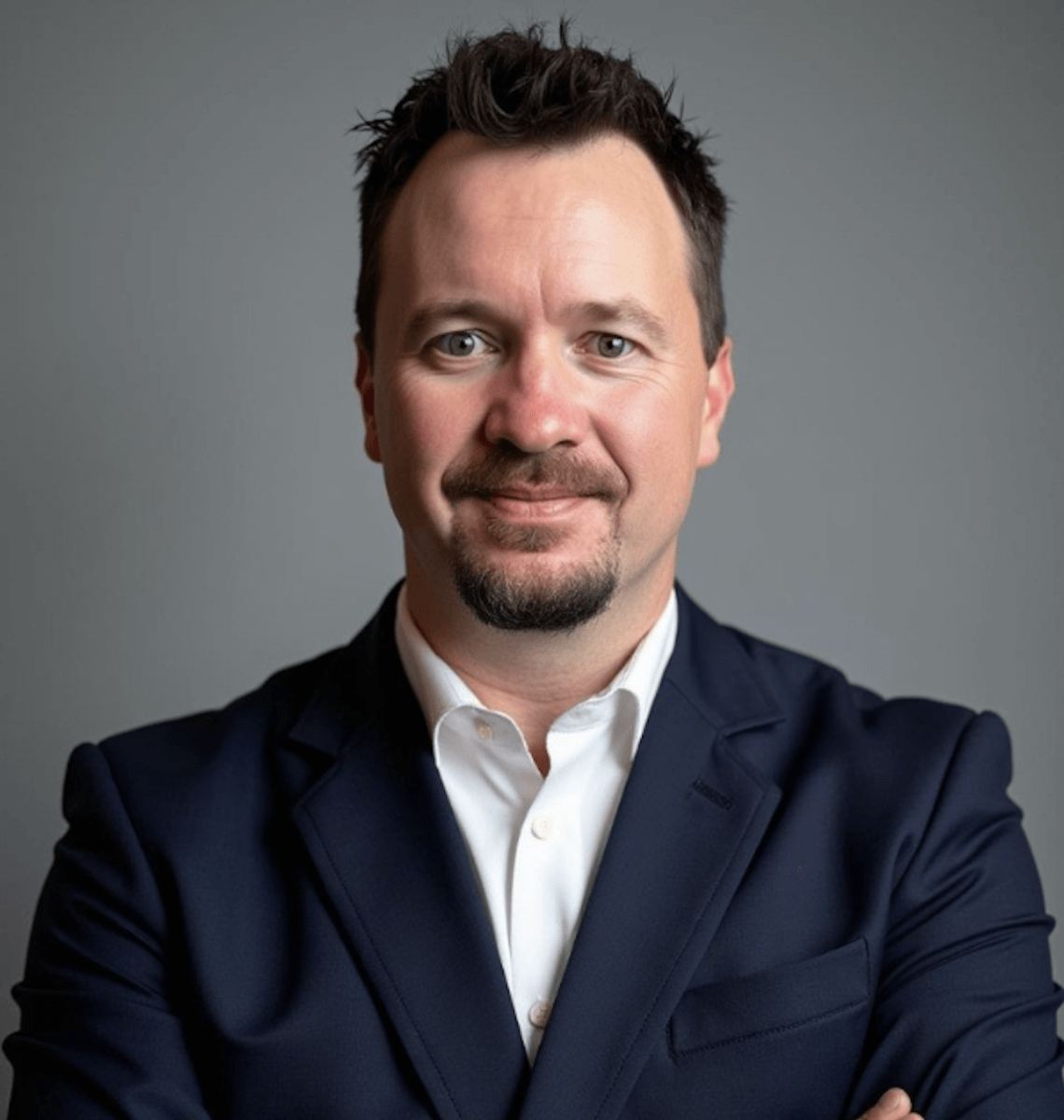
Drew Hanson, Mosaic Mass Timber
Drew is the Mass Timber Business Development Consultant for Mosaic Mass Timber, focused on building partnerships across California to deliver locally sourced CLT for California projects, supporting California forests and jobs. With previous experience at Vaagen Timbers and Simpson Strong-Tie, and as former Director of Academics at Salish Kootenai College, Drew brings a unique blend of manufacturing, design collaboration, and education to mass timber. A passionate advocate, he also designed and built his own CLT, GLT, and glulam home in Montana.
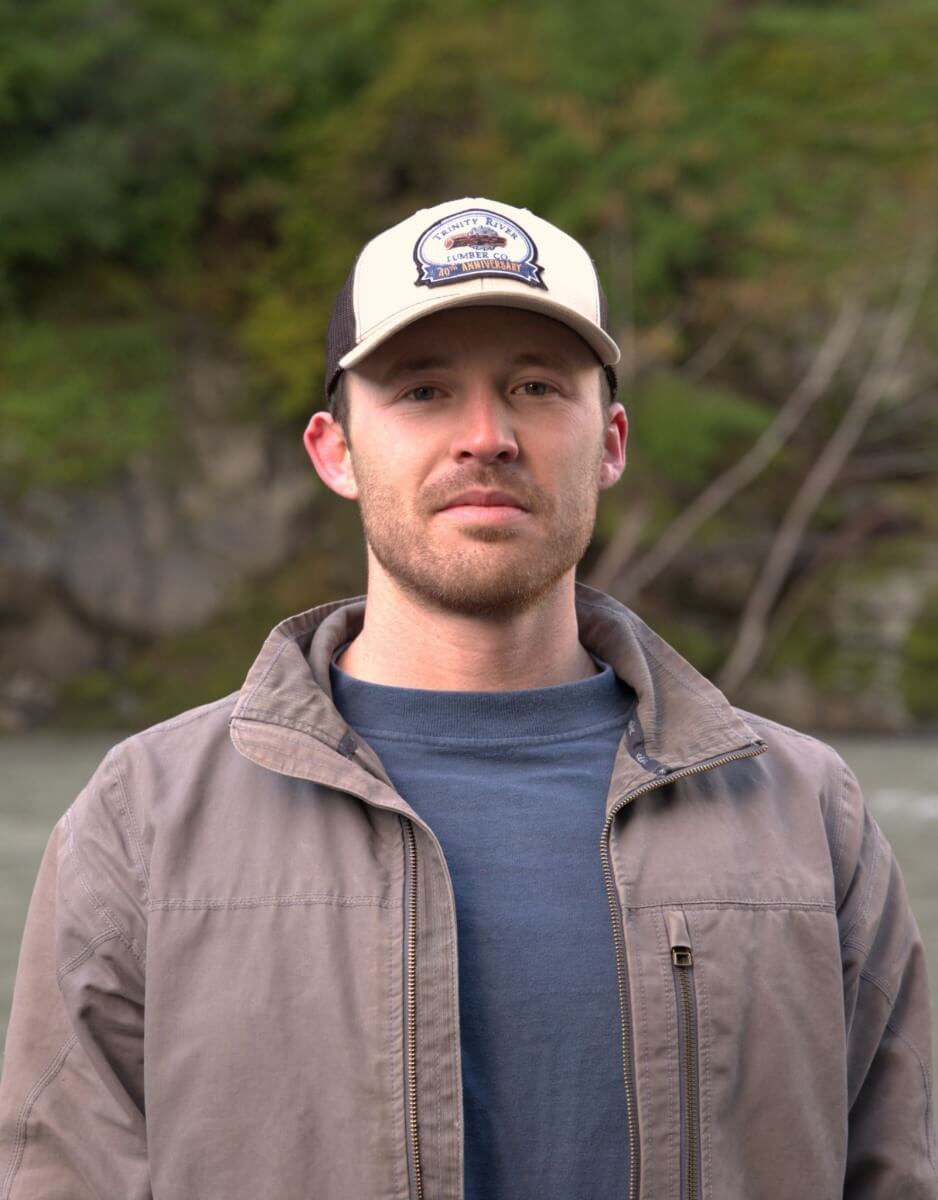
George Schmidbauer, Mad River - President
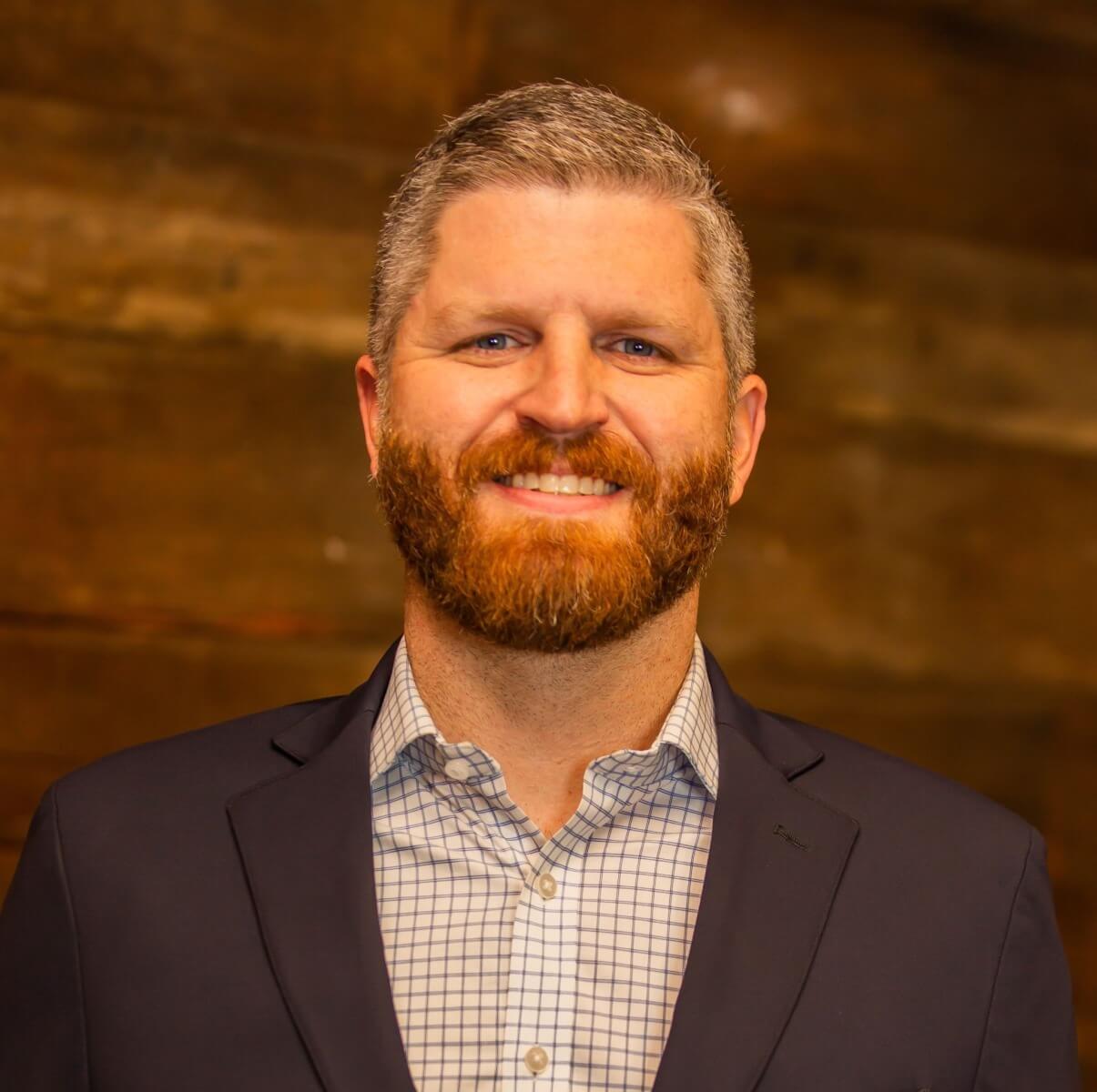
Draper Stone, Mass Frame Solutions - Precon Executive
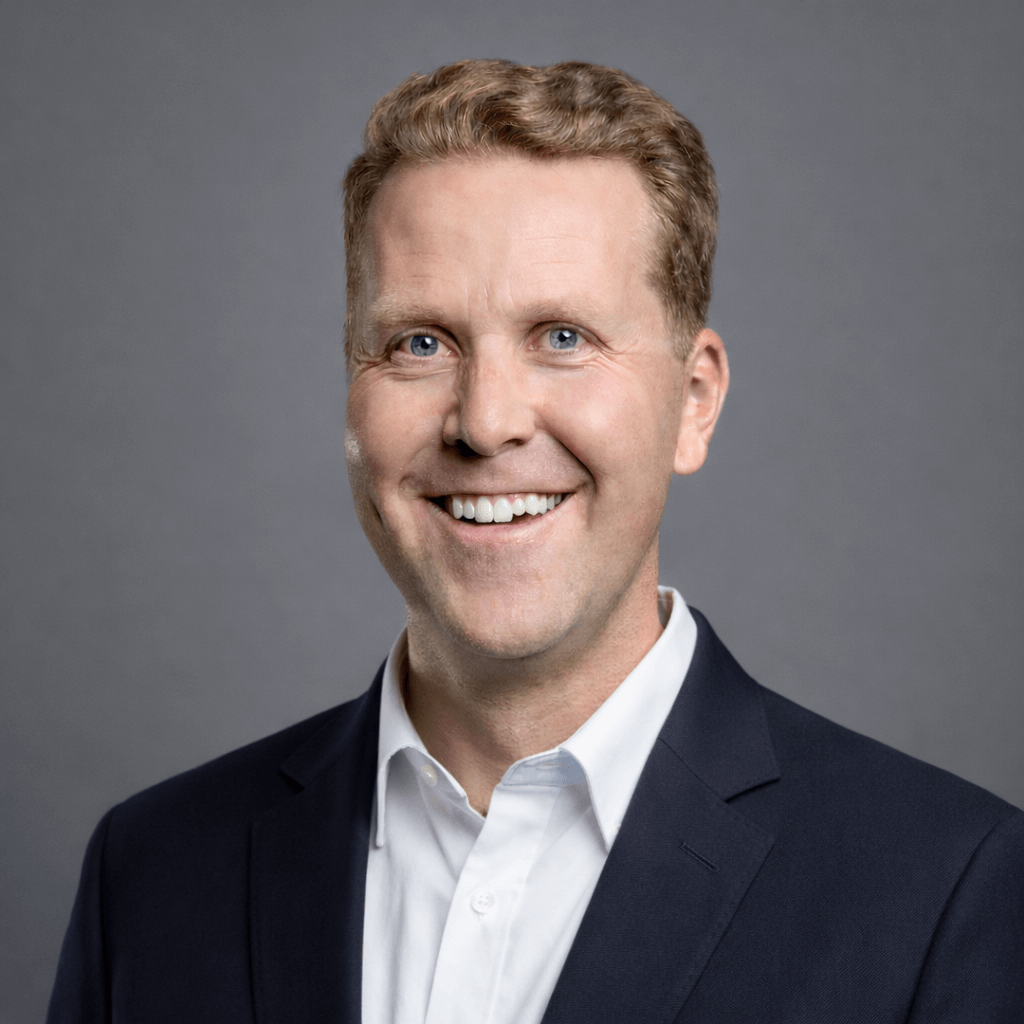
Scott MacLellan, Wood Inc.
Scott MacLellan has held roles ranging from General Contractor to supply-only participant on some of Northern California’s first mass-timber projects. As President of Wood, Inc., he leads a team that translates those early-adoption experiences into repeatable, mainstream delivery on large projects, applying prefabrication and mass-timber expertise developed through pioneering wood-construction work. Under his leadership, Wood, Inc. leverages deep experience, efficiency, and innovation to establish industry-standard techniques and deliver advanced wood-based building solutions at scale.
Program Sponsors
Silver


Bronze
 .
. 
 .
. 
Copper


Sponsorship Opportunities
Explore the full life-cycle of mass timber—from sourcing and design to construction and occupancy. This half-day symposium brings together manufacturers, designers, contractors, and developers, offering sponsorship and networking opportunities throughout the program, as well as a happy hour.
$1,500 - $10,000+