2026 Housing Symposium
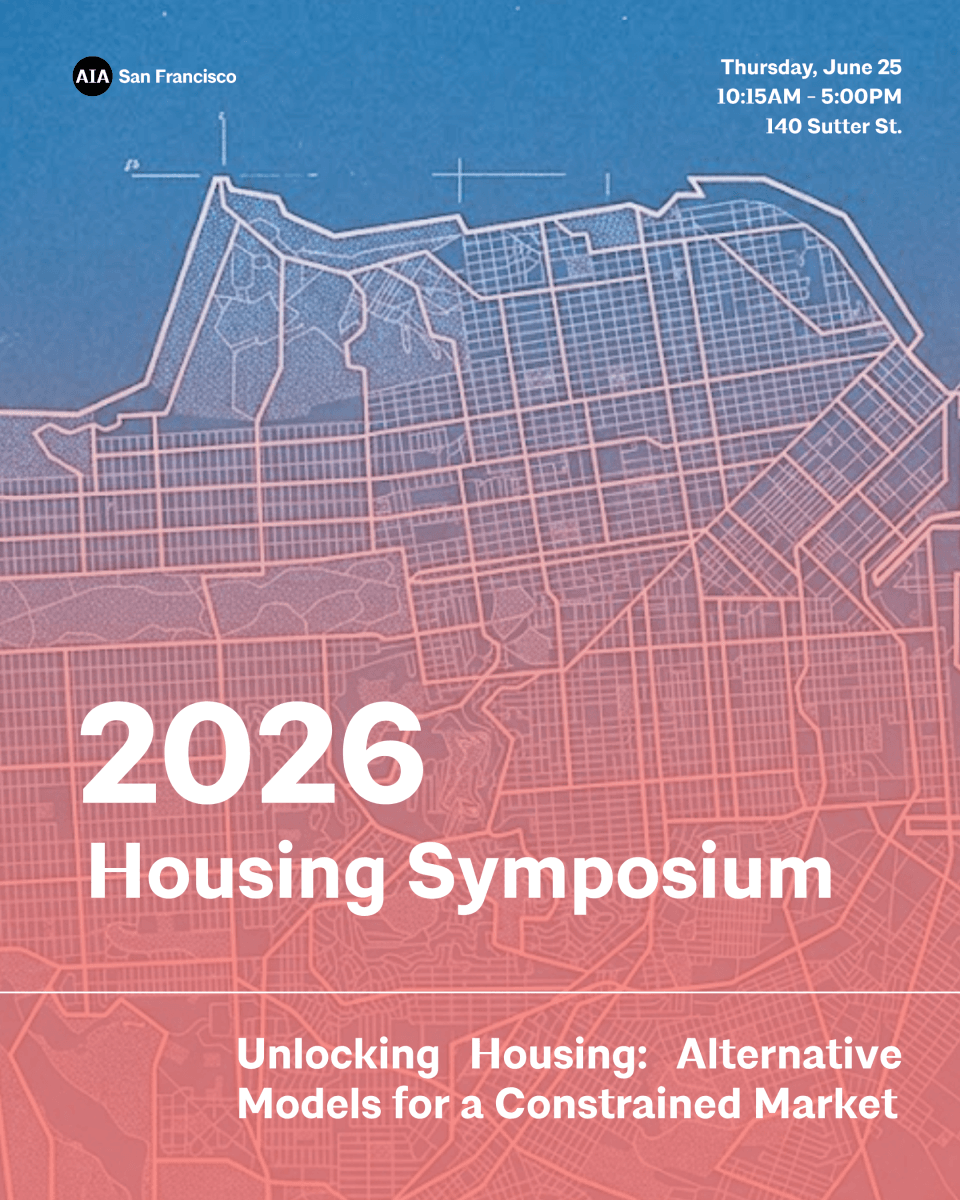
Unlocking Housing: Alternative Models for a Constrained Market
The 2026 AIASF Housing Symposium will spotlight three major issues shaping the future of housing in the Bay Area, beginning with broader policy discussions and moving toward specific building-focused regulations. This symposium is intended to engage and educate members and the community through discussion and idea-sharing, focusing on affordable housing and other issues relevant to housing for those of all income levels. Be part of these discussions and explore ideas that bridge our industry with the communities in which we live and work.
Segment #1 — Alternate Delivery Methods (Discussion Panel)
As housing delivery timelines and cost pressures intensify, project teams are rethinking the fundamentals of how multi-family housing is conceived and executed. This panel convenes leading architects, developers, and public-sector stakeholders to unpack the real-world mechanics of alternative delivery models—from design-build to vertically integrated development. Panelists will explore how alternative methods can unlock efficiency and scalability, while also confronting the structural and cultural barriers that challenge adoption. Critically, the discussion will interrogate the evolving architect–contractor relationship, addressing how design leadership is maintained in increasingly builder-led environments.
Segment #2 — Alternate Delivery Methods (Case Study: 1633 Valencia)
What does alternative delivery look like when executed on an active project? This session provides a deep dive into the 1633 Valencia development, presented jointly by the architect, developer, and builder. Through a candid, interdisciplinary lens, the team will walk through project structuring, decision-making frameworks, and coordination strategies that shaped outcomes. Attendees will gain practical insight into how integrated teams operate—along with key lessons learned that can inform future housing delivery strategies across the Bay Area.
Segment #3 — Alternative Financial Methods (Discussion Panel)
Innovative delivery models require equally innovative capital strategies. This panel explores emerging financial frameworks that are reshaping how housing—particularly affordable housing—is funded and delivered. Speakers will examine mechanisms that are gaining traction in peer markets and assess their applicability in California. The conversation will also surface policy constraints and opportunities, including key regulatory differences between regions, offering a forward-looking perspective on how financing innovation can expand housing production at scale.
Hosted by AIASF in collaboration with the AIASF Housing Knowledge Community.
Segment #1 — Alternate Delivery Methods (Discussion Panel)
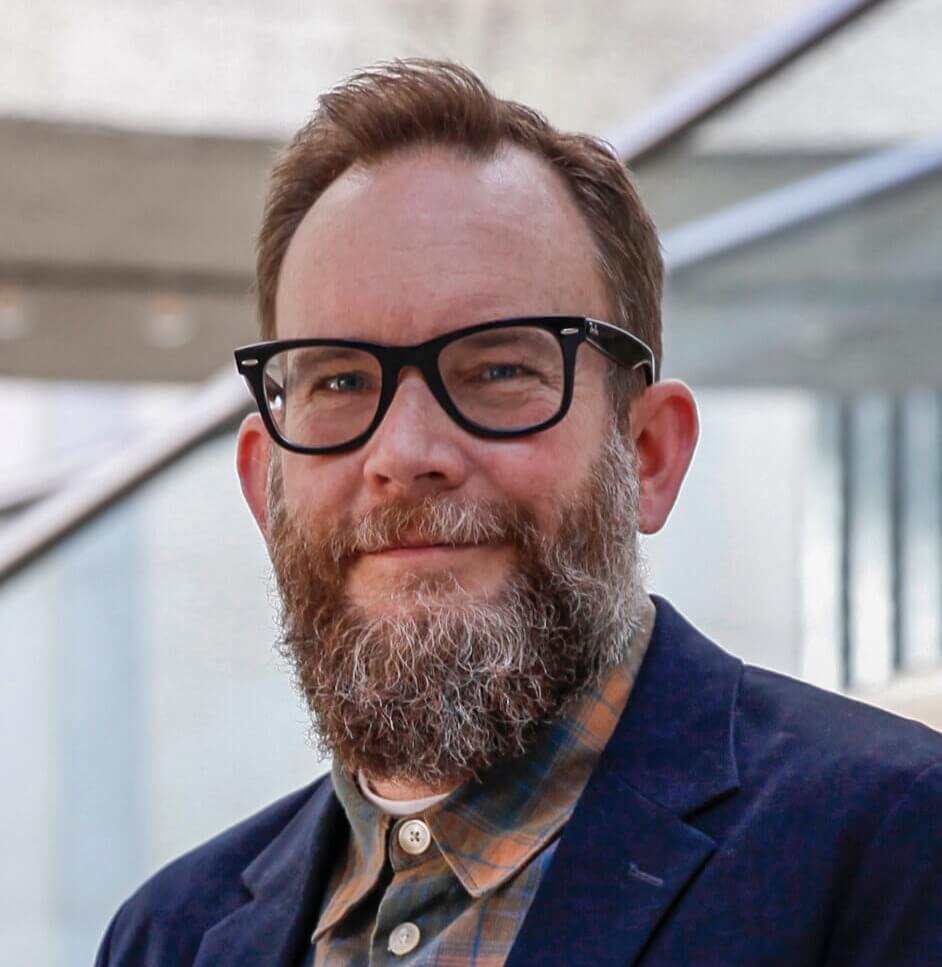
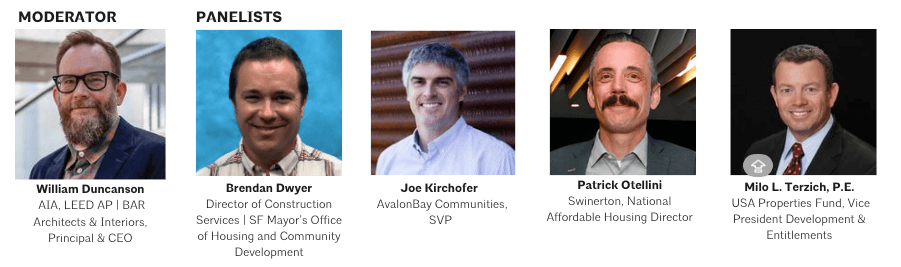
Moderator: William Duncanson, AIA, LEED AP | BAR Architects & Interiors, Principal & CEO
A Principal at BAR Architects & Interiors, William Duncanson brings 30 years' proven experience of architectural design across an array of project types including mixed-use, multifamily and affordable housing, custom residences, resort, retail and commercial complexes. His recent focus is on high-density mixed-use housing projects in San Francisco and around the Bay Area. Multifamily urban infill housing has become Williams’ passion, believing strongly that high-quality housing is the first step in creating denser and more livable cities, a key ingredient to our sustainable future. A licensed architect, LEED Accredited Professional, and AIA member, William earned his Master of Science in Architecture from UC Berkeley, and his Bachelor of Architecture from the Southern California Institute of Architecture.
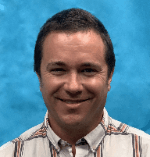
Panelists: Brendan Dwyer | Director of Construction Services | San Francisco Mayor’s Office of Housing and Community Development
Brendan grew up in San Francisco and aspired to be an architect from a young age. He studied architecture at City College and then UC Berkeley before working at a number of Bay Area firms, focusing almost exclusively on housing projects. Soon after becoming licensed, he left private practice to join MOHCD as a Construction Representative and was later promoted to a director position. When not giving architects a hard time about their overly expensive design flourishes, Brendan enjoys gardening, hiking, reading and watching science fiction, and trying to keep up with his four- and six-year-old children in Oakland.

Panelist: Joe Kirchofer | AvalonBay Communities, SVP
Joe Kirchofer serves as Senior Vice President of Development for AvalonBay, with responsibility for all of the company’s development activity in Northern California. The company is a leading developer, owner, and manager of multifamily and mixed-use developments in the region, and has completed major recent projects in San Francisco, the East Bay, and the South Bay. Mr. Kirchofer joined the company in 2013. Prior to joining AvalonBay, Mr. Kirchofer led complex residential and mixed-use projects for one of the Bay Area’s top nonprofit affordable housing developers, MidPen Housing. Mr. Kirchofer is a Bay Area Council board member, a former member of the Executive Committee of the San Francisco Housing Action Coalition, and a member of the SPUR Housing Policy Board, the Fisher Center Policy Advisory Board, ULISF, and SPIRE. Mr. Kirchofer received a degree in Urban Studies from Stanford University.
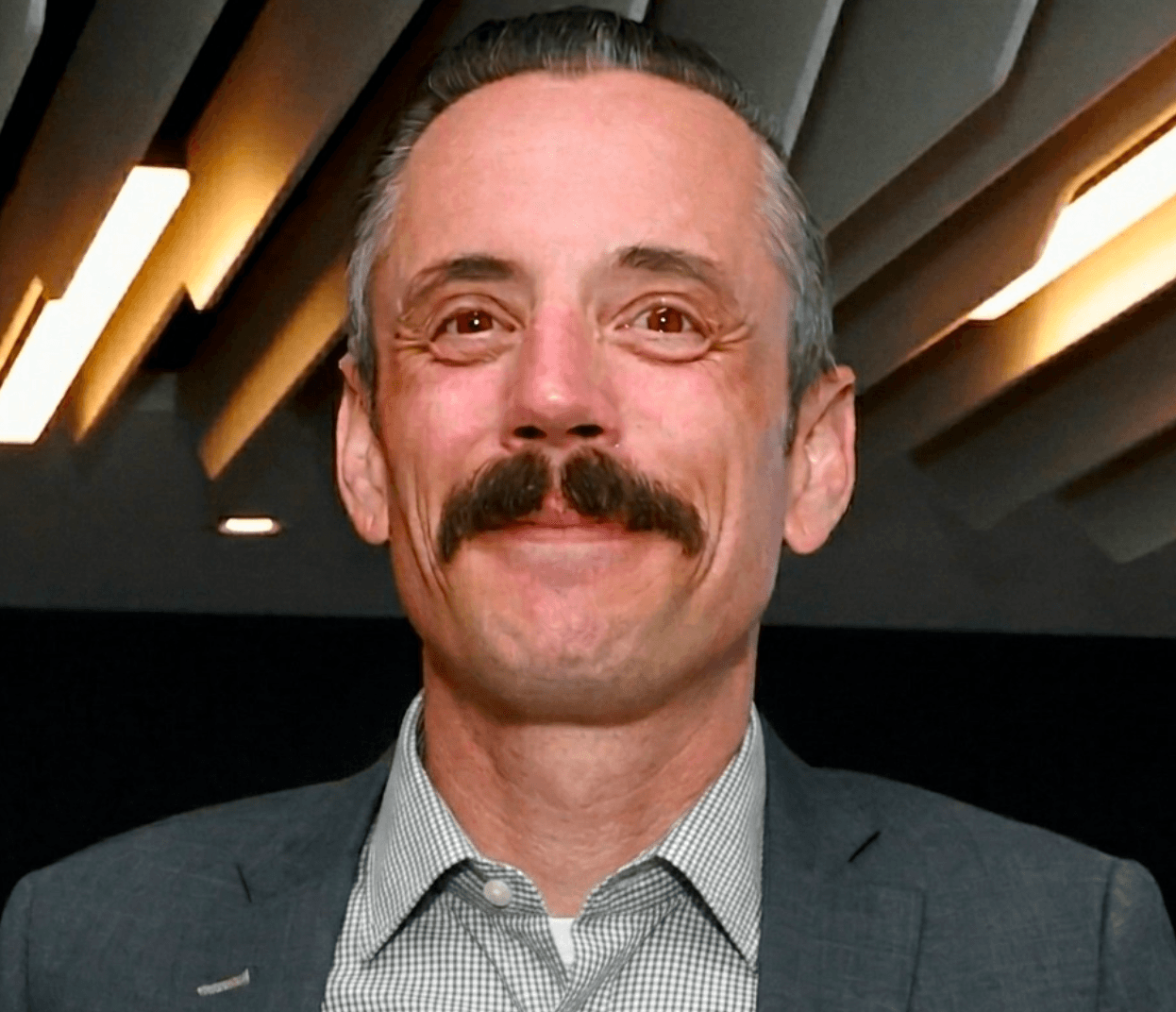
Panelist: Patrick Otellini | Swinerton, National Affordable Housing Director
As the National Affordable Housing Director, Patrick is responsible for providing direction and support for all divisions within Swinerton that are actively pursuing projects in the affordable housing sector. Patrick brings over two decades of experience to this role. Prior to joining Swinerton, Patrick served as the Chief Resilience Officer for the City and County of San Francisco where he helped shape the city’s affordable housing policies. After joining Swinerton in 2016 as a Project Manager, he was instrumental in helping our Bay Area Building Group secure over $400 million in affordable housing over a two year period.
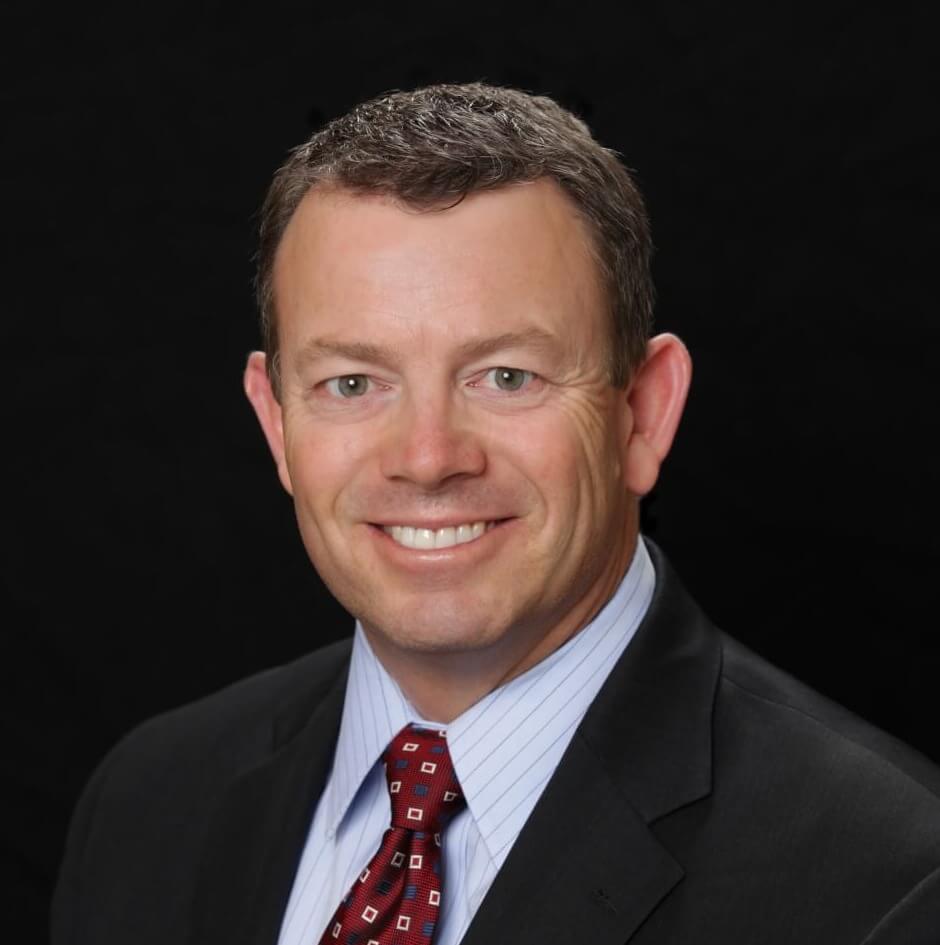
Panelist: Milo L.Terzich, P.E. | USA Properties Fund, Vice President Development & Entitlements
Milo Terzich is Vice President of Development & Entitlements at USA Properties Fund, Inc., where he leads entitlement strategy, due diligence, and predevelopment execution across a high-performing affordable housing platform in the western United States. With nearly 30 years of experience, he specializes in advancing complex multifamily and mixed-use developments from acquisition through approvals in some of the most highly regulated environments in the country. USA Properties Fund is among the most active and fastest-growing affordable housing developers nationwide, ranked as a top affordable housing owner in the U.S. and a leading California-based developer by production volume. The firm has delivered more affordable units than any California-based developer for consecutive years and maintains a growing portfolio of over 12,000 apartment homes across the region. Within this platform, Milo plays a central role in driving execution certainty and speed-to-market across a diverse pipeline. Milo’s core strength is navigating entitlement risk and aligning public agencies, consultants, and internal teams to achieve approvals and implementation at scale. He brings deep expertise in land acquisition strategy, CEQA/NEPA compliance, infrastructure planning, development agreements, and public-private partnerships. His leadership has supported the successful advancement of thousands of homes across urban infill, transit-oriented, and large-scale community developments. Prior to his current role, Milo led entitlement and development efforts across master-planned communities exceeding 1,000 acres and 3,500+ residential lots, while also delivering mixed-use, retail, and adaptive reuse projects. He has overseen complex infrastructure solutions including regional wastewater systems, levee improvements, and negotiated long-term municipal service agreements. Earlier in his career, he also directed utility-scale renewable energy development across multiple U.S. markets and founded a regional engineering office that scaled rapidly. Milo combines the technical rigor of a licensed civil engineer with the strategic mindset of a development executive. He is widely recognized for his ability to resolve complex challenges, accelerate approvals, and unlock value in politically sensitive and technically demanding environments. Milo holds a Bachelor of Science in Civil Engineering, with honors, from the University of the Pacific and is a licensed Professional Engineer in California (Nevada retired).
Segment #2 — Alternate Delivery Methods (Case Study: 1633 Valencia)
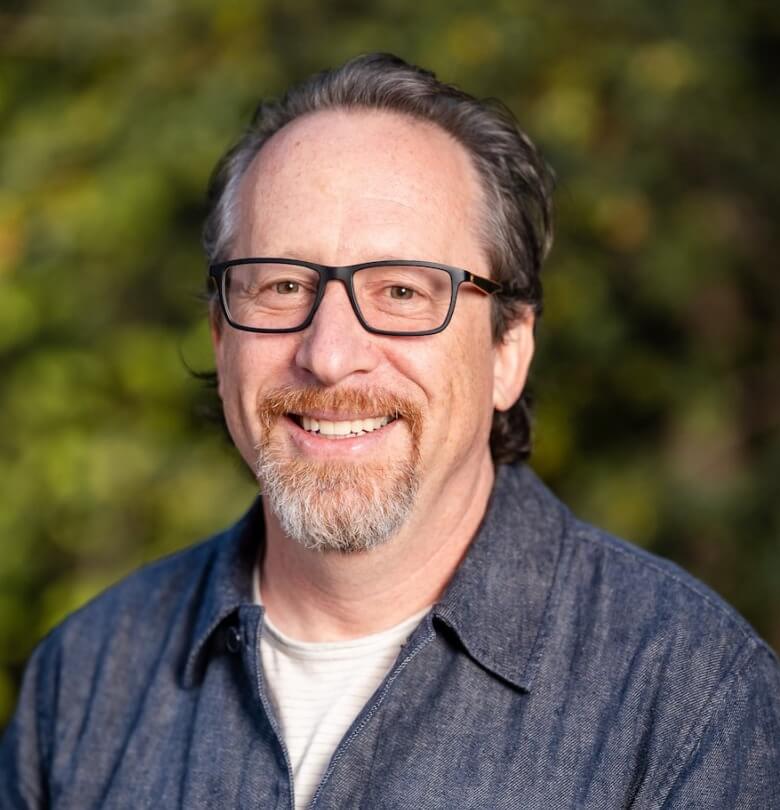
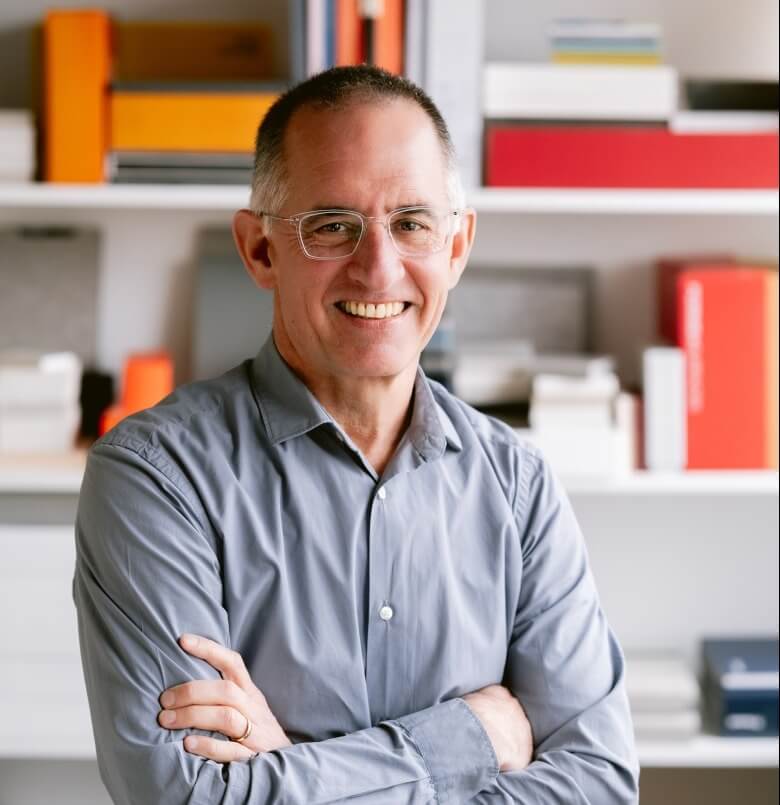
Speaker: Daniel Simons FAIA, LEEP AP | David Baker Architects, Principal
Daniel has focused on multifamily housing for his entire career, leading innovative, award-winning projects that include affordable senior and family housing, supportive housing, modular, and market-rate mixed-use developments. He’s a Principal at David Baker Architects, a nationally recognized, locally oriented firm with offices in San Francisco, Oakland, and Birmingham, Alabama, and a focus on sustainable, mixed-use communities. At the nexus of housing, climate, and community, DBA’s work seizes opportunities to enact meaningful change—forging strong partnerships to create livable density and resilient, human-centered places that uplift communities at all scales.
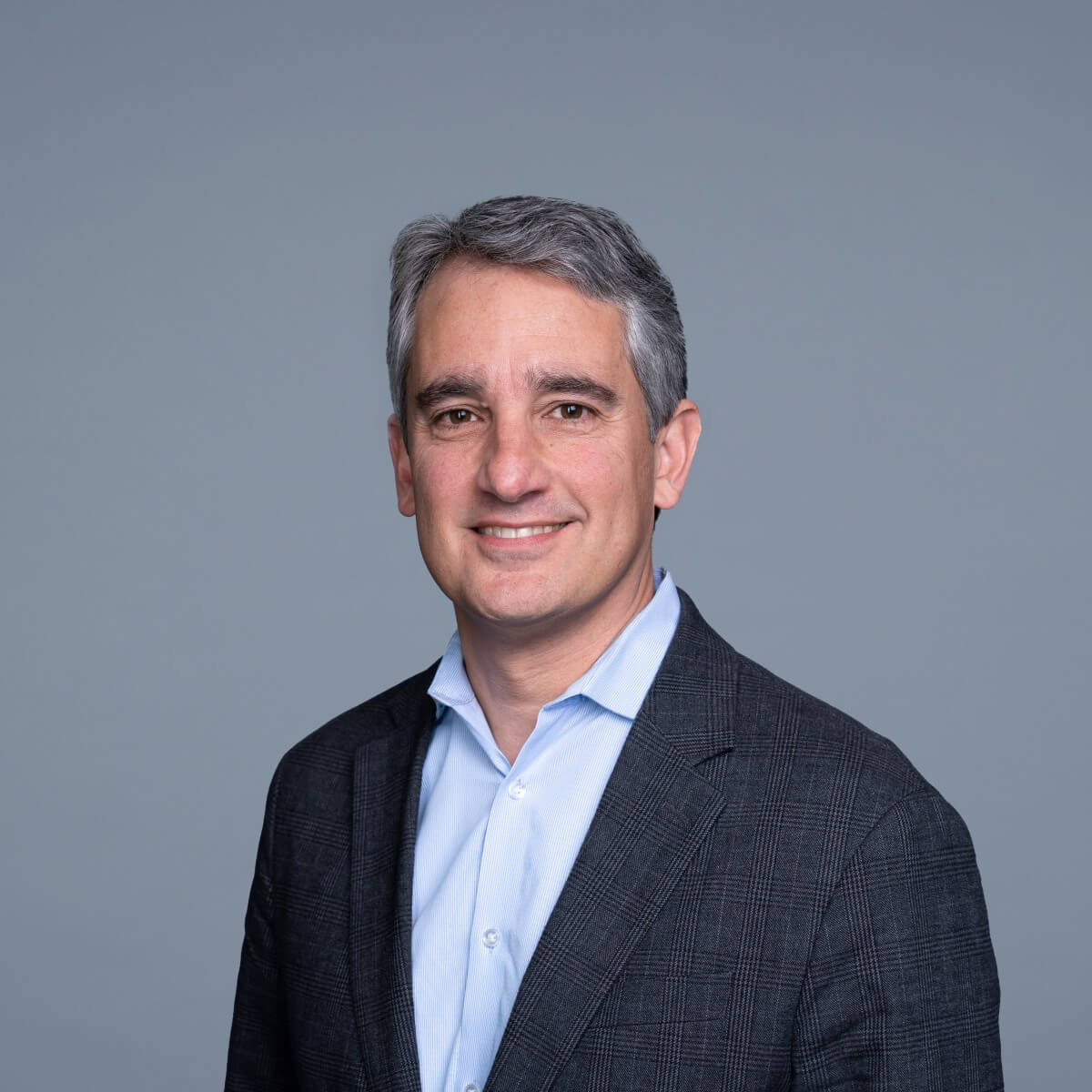
Speaker: Arash Baradaran | Cahill Contractors, Vice President
Arash Baradaran is Vice President at Cahill Contractors, where he provides executive oversight across the full project life cycle within multiple market sectors, including housing, education, hospitality, health care, and community buildings. With more than 30 years of industry experience, he brings a technical perspective to integrated delivery that shapes how Cahill structures teams, aligns design intent with construction reality, and manages risk on complex projects.

Speaker: Clare Murphy | Mercy Housing
Bio coming soon.
Segment #3 — Alternative Financial Methods (Discussion Panel)
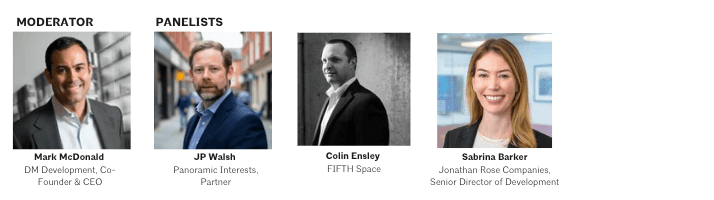
Moderator: Mark McDonald | DM Development, Co-Founder & CEO
Mark MacDonald is Co-Founder and CEO of DM Development. Combining his passion for architectural design and real estate development, Mr. MacDonald founded DM Development in 2010 to create exceptionally designed urban infill properties that revitalize communities and promote sustainable development. Over the course of his distinguished career, Mr. MacDonald led the acquisition, development, and management of over 1 million square feet of development representing more than $1 billion in total value. Mr. MacDonald is actively involved in all phases of the development process, with an emphasis on acquisitions, underwriting, finance, partnerships, design, entitlements, marketing, and sales. He is an active member of the Urban Land Institute (ULI), SPUR, and the San Francisco Housing Action Coalition (SFHAC), and has been a featured speaker at numerous local and regional real estate industry events, including the San Francisco ULI Residential Local Product Council, the Fisher Center Annual Real Estate & Economics Symposium, the Marcus & Millichap Multifamily Forum, the Northern California Apartment Summit, and the Bisnow Residential Summit. Mr. MacDonald received a Bachelor of Science in Computer Systems Engineering with Distinction from Stanford University in 1993, where he graduated Phi Beta Kappa, and a Master of Science in Management from the Stanford Graduate School of Business in 2007.
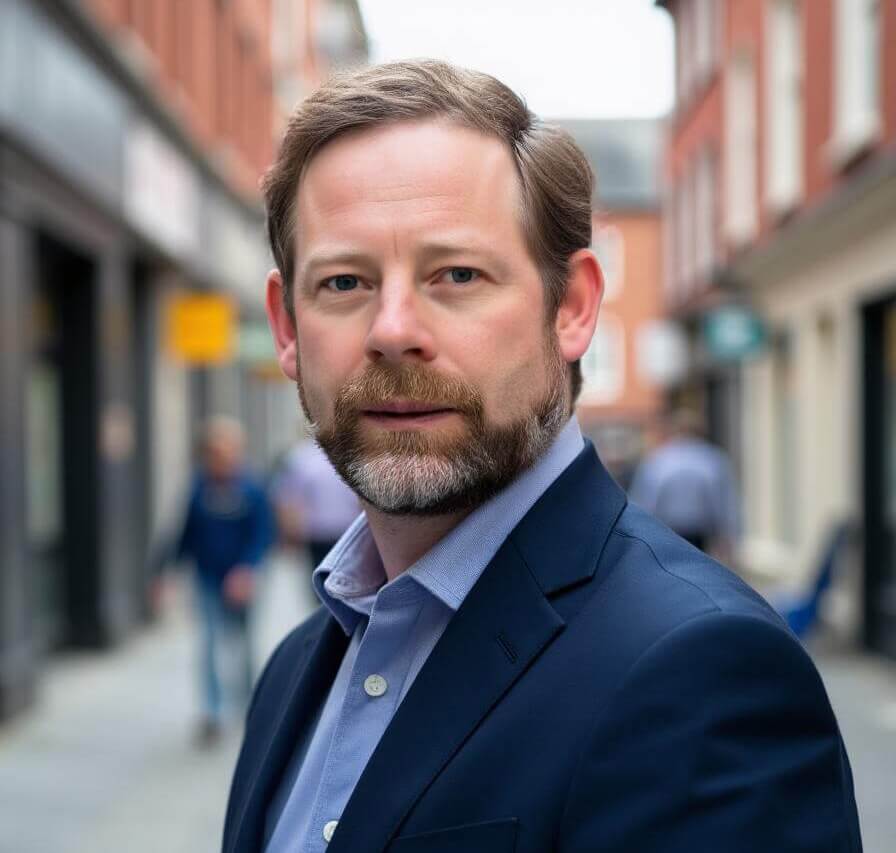
Panelist: JP Walsh | Panoramic Interests, Partner
I am a partner at Panoramic Interests, where I oversee the firm's financial, investor relations, and legal efforts. My focus includes financial modeling, project capitalizations, acquisitions, dispositions, and entitlements. I also oversee design and construction execution. Prior to joining Panoramic Interests, I led research at an $8B San Francisco wealth manager, investing ~$700M across global fund managers. Since joining, I have closed over $500M in debt and $275M in equity. Panoramic Interests is an urban real estate development company based in San Francisco. The company has built more than 1,500 residential units with 500+ units in the pipeline and has received several notable industry awards.
Panelist: Colin Ensley | FIFTH Space
Bio coming soon.
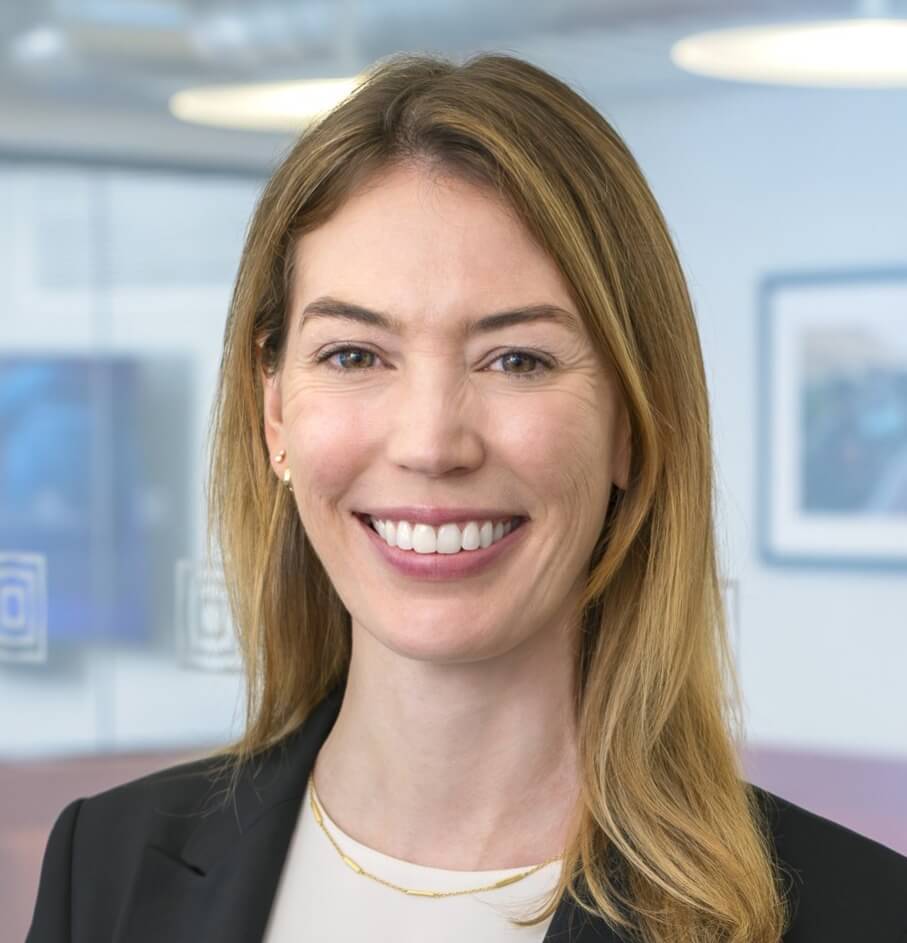
Panelist: Sabrina Barker | Jonathan Rose Companies, Senior Director of Development
Sabrina Barker is the Senior Director of Development at Jonathan Rose Companies.She is responsible for the successful completion of new construction development deals, from concept through lease-up and conversion. Sabrina is currently managing over $850M of new development in 5 states. She led the development of Sendero Verde, a $450 million affordable housing deal in East Harlem that was completed in Summer 2024, which provides 709 units of affordable housing, an 18,000 sf publicly accessible courtyard, and over 80,000 square feet of community facility space to the community. The project is certified to both Enterprise Green Communities standards and Passive House. In addition to closing out Sendero Verde, Sabrina is currently working on development deals at various stages in the development process in New York, Pennsylvania, Georgia, California, Connecticut, and Illinois. Prior to joining Jonathan Rose Companies, Sabrina worked as a designer at an award-winning architecture and urban planning firm in Seattle. Since graduating from Columbia University in 2015 she has continued to work with students in a variety of capacities, most recently as a juror for the Bank of America Innovation in Affordable Housing Challenge in 2023, 2024 and 2025. Sabrina is passionate about sustainability and the opportunity for buildings to decrease their emissions through both technological innovation and passive design methods. Her background in architecture has informed the work that she now performs as a Director at Jonathan Rose Companies, allowing her to be intimately involved with both the construction and finance sides of her projects.
Closing Remarks:
10:15AM-10:55AM Check-In & Coffee
10:55AM-11:00AM Welcome
11:00AM-11:45AM Segment 1: Alternate Delivery Methods (Discussion Panel)
11:45AM-12:00PM Segment 1 Q+A
12:00PM-1:00PM Lunch
1:00PM-1:45PM Segment 2: Alternate Delivery Methods (Case Study: 1633 Valencia)

1:45PM-2:00PM Segment 2 Q+A
2:00PM-2:30PM Keynote and Keynote Q+A
TBC
2:30PM-3:15PM Segment 3: Alternative Financial Methods (Discussion Panel)
3:15PM-3:30PM Segment 3 Q+A
3:30PM-3:45PM Closing Remarks

3:45PM-5:00PM Networking Happy Hour
4 LUS - Approved
- Examine how alternative delivery methods—including design-build and vertically integrated development—are reshaping multifamily housing project execution. Attendees will explore how integrated team structures can improve efficiency and scalability while addressing challenges related to collaboration, risk allocation, and maintaining design leadership.
- Explore how standardized unit designs, repeatable specifications, and integrated project teams can support faster, more scalable housing delivery. Attendees will discuss the opportunities and limitations of applying repeatable systems within the Bay Area’s multifamily housing market.
- Using the 1633 Valencia project as a case study, study how architects, developers, and builders collaborate within an integrated delivery framework. Attendees will gain insight into project coordination strategies, operational lessons learned, and approaches to improving multidisciplinary collaboration.
- Examine emerging financing strategies and development structures that are expanding opportunities for multifamily and affordable housing delivery. Attendees will engage in a collaborative discussion around innovative capital models, policy considerations, and lessons from peer markets that may inform future housing production in California.
Sponsorship Opportunities
Engage with architects, allied trades, and the greater community through AIASF's discussion, focusing on affordable housing and essential legislation and policies.
$1,500-$10,000+
Thanks to the Housing Supporters!
Silver:


Bronze:







Copper: